
The first time you hear the hypnotic clang of bronze gongs echoing across the Teuk Chhou River at sunset, or watch dancers move their fingers in impossibly graceful curves that seem to defy human anatomy, you'll understand why Khmer performing arts survived genocide, colonization, and the relentless march of modernity. In Cambodia's southern coastal region around Kampot, these ancient traditions continue to pulse with life, connecting today's visitors to cultural practices that stretch back more than a thousand years to the glory days of the Angkor Empire.
Unlike the tourist-heavy performance venues of Siem Reap or Phnom Penh, experiencing traditional music and dance around Kampot offers something more intimate and authentic. Here in the pepper plantations and riverside villages, you might stumble upon a wedding celebration where traditional instruments accompany folk dances, or witness local festivals where performers preserve arts that nearly vanished from the earth just decades ago.
The Soul-Deep Significance of Khmer Performing Arts
For Cambodians, dancing transcends mere entertainment, representing a form of spiritual expression and meaning. Every gesture carries weight, every movement tells a story. The classical dancers capture emotions and imaginations by delivering true feelings behind each character they portray through body movements, postures and intricate expressions.
During the early 1970s, the Khmer Rouge genocide devastated Cambodia's artistic community, with an estimated 90% of the country's musicians, dancers, teachers, and instrument makers killed. This nearly complete destruction interrupted the transmission of cultural knowledge between generations, making every performance today a small miracle of cultural resurrection.
The fact that you can still witness these performances around Kampot is testament to the dedication of survivors who, despite unimaginable trauma, chose to remember, teach, and perform. When you watch a traditional dance show during your stay in the region, you're not just seeing entertainment but participating in an act of cultural preservation that defies one of history's darkest chapters.
The Three Pillars of Cambodian Dance
Dance in Cambodia consists of three main categories: classical dance of the royal court, folk dance which portrays cultural traditions, and social dances performed in social gatherings. Each category serves different purposes and occasions, from sacred religious ceremonies to celebratory village festivals.
Classical Dance: Where Earthly Meets Divine
Khmer classical dance, locally known as Robam Preah Reach Trop, is a highly stylized performing art form originating from the royal courts, originally performed and maintained by attendants of the royal palaces with the purpose of calling upon the gods and spirits. The movements are slow, deliberate, and impossibly graceful, requiring years of training to master.
The Apsara Dance stands as the most popular form of classical Cambodian dance, with more than 1,500 hand gestures existing in the repertoire. Every single movement of the fingers carries distinct meaning. Some movements require dancers to bend their fingers almost to their wrists, a flexibility that begins training in early childhood.
The elaborate traditional costumes serve as identification markers for Apsara Dance, helping to mirror the majestic moves of dancers. Performers wear elegant silk clothes with floral motifs, stunning jeweled headdresses, and sparkling accessories including necklaces, earrings, bracelets and anklets. The Khmer King Jayavarman VII in the 12th century reportedly had over 3,000 Apsara dancers in his court, giving you some sense of the importance these performers held in ancient Cambodian society.
Folk Dance: The Heartbeat of Rural Cambodia
Cambodia Folk Dances play important roles in highlighting various cultural traditions and ethnic groups, with faster-paced movements and less stylized gestures than classical dances. These dances emerged from countryside life and practices, typically reserved for particular rituals, celebrations and holidays among rural communities.
Around Kampot, you're more likely to encounter folk dances than classical performances, especially during local festivals and wedding celebrations. The Trot Dance, performed prominently during Khmer New Year, represents a popular folktale of a hunter who received great fortune by virtue of a deer, later creating the dance as an ode to forest spirits who brought prosperity. The animalistic celebration features dancers dressed as peacocks wearing feathers, oxen wearing horns, and hunters.
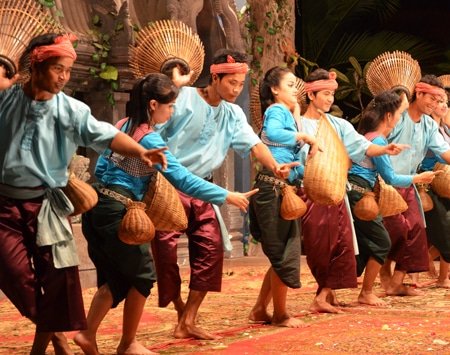
The Fishing Dance holds particular relevance for riverside communities around Kampot. This dynamic folk dance describes the daily lives of farmers and fishermen who dance with traditional fishing equipment made from bamboo, showcasing different traditional fishing techniques. The dance often incorporates romantic storylines where young people meet at fishing spots and fall in love while working.
Social Dance: Where Communities Come Together
Social dances commonly performed at gatherings in Cambodia include the romvong, rom kbach, saravann, chok krapeus and lam leav. These participatory dances bring communities together during celebrations, with everyone from children to grandparents joining the circles.
The ramvong, in particular, functions as a social dancing form at traditional events, modern parties and celebrations. If you attend a wedding or festival around Kampot, don't be surprised if locals pull you into the circle to join the rhythmic movements. The steps are simple enough that guests can participate without formal training, making these social dances the most accessible entry point for understanding Cambodian performing arts.
The Orchestral Foundations: Traditional Khmer Instruments
Classical Khmer music divides into three main parts: pinpeat, phleng kar, and mahori, all associated with religious dances. The instruments themselves carry centuries of tradition, with some dating back to depictions carved on Angkor's temple walls.
The Pinpeat Orchestra: Royal Ceremonial Music
The pinpeat orchestra performs ceremonial music of the royal courts and temples, consisting of approximately nine or ten instruments, mainly wind and percussion including several varieties of xylophone and drums. Carved on the walls of the great temples of Angkor are the pinn (angular harp), korng vung (circular frame gongs), skor yol (suspended barrel drum), chhing (small cymbals), and sralai (quadruple-reed shawm).
The roneat, a bamboo xylophone, provides melodic foundation with its bright, percussive tones. The sralai, a quadruple-reed oboe, weaves melodic lines that give pieces weight and direction. Meanwhile, the sampho drum maintains rhythm and tempo, with the skor thom adding emphasis and drama, especially during dance performances.
Village Music: Community Celebrations
In villages, weddings are celebrated with kar boran music, communication with spirits is accompanied by araak music, and entertainments include ayai repartee singing, chrieng chapey narrative, and yike and basakk theaters. The mahori orchestra, featuring stringed and plucked instruments along with flutes, typically accompanies folk dance performances.
The chapey, a bass moon lute similar to a banjo, provides rhythmic and melodic support. The tro, a fiddle, adds expressive melodic lines. Meanwhile, various drums including the krapeu punctuate the rhythms that make folk dances so energetic and engaging.
Finding Traditional Performances Around Kampot
While Kampot doesn't have the dedicated cultural performance venues of major tourist centers, this actually works to the visitor's advantage. The performances you encounter here feel more authentic, embedded in actual community life rather than staged primarily for tourists.
Festival Times: When Culture Comes Alive
The Sea Festival, held annually in December or January, rotates between coastal cities including Kampot, featuring water sports competitions, seafood fairs, and cultural performances including traditional Khmer dances and music. This festival provides one of the best opportunities to see multiple performance styles in a celebratory atmosphere that welcomes both locals and visitors.
During Khmer New Year in April, villages throughout the Kampot region host Trot Dance performances to ward off bad luck from the previous year and welcome new beginnings with positivity. Wedding season, typically during the dry months, offers another opportunity to witness traditional music and dance in their authentic context.
Hotel and Restaurant Performances
Many hotels and restaurants around Kampot occasionally arrange cultural performances for guests, especially during peak tourist season. After a day exploring pepper plantations or cruising the river, settling in for an evening of traditional dance accompanied by local cuisine provides perfect cultural immersion.
Some establishments work with local performing arts groups to bring authentic performances to guests, supporting both cultural preservation and providing income for artists who keep these traditions alive. When planning your stay, ask whether any cultural performances are scheduled during your visit.
Community Cultural Centers
While less formal than the National Museum performances in Phnom Penh or the dinner theaters in Siem Reap, Kampot's cultural offerings include community centers and temples that occasionally host performances, especially during religious holidays and festivals. Local tourism offices can provide information about upcoming events.
The beauty of encountering performances in these settings lies in their spontaneity and authenticity. You might find yourself the only foreigners in an audience of locals celebrating a wedding or temple festival, experiencing culture as it's actually lived rather than packaged for tourists.
Learning the Arts: Workshops and Classes
Several organizations offer visitors opportunities to try their hand at dance, drums, or circus skills through private workshops. While most intensive training programs operate in Phnom Penh or Siem Reap, some hotels and cultural centers around Kampot can arrange introductory workshops with local performers.
Learning even basic hand gestures from Apsara dance or trying to maintain rhythm on traditional drums gives you profound appreciation for the skill and dedication required. The flexibility needed to execute proper hand positions, the musicality required to follow pinpeat orchestra rhythms, and the stamina necessary for sustained performances all become immediately apparent.
These workshops also create meaningful cultural exchange. Local performers take pride in sharing their traditions with interested visitors, and the income from workshops supports artists who might otherwise struggle to sustain their practice in an increasingly modernized economy.
The Instruments That Tell Cambodia's Story
Beyond the performance itself, the instruments deserve attention for their craftsmanship and historical significance. Traditional instruments include the khloy (single reed bamboo flute), the khong (gongs), various drums including the skor arak, and string instruments like the tro ou and tro so.
Each instrument construction follows traditional methods passed down through generations. The roneat xylophone uses specific hardwoods that produce the characteristic bright tones. The gongs require bronze casting techniques perfected over centuries. Even the drumheads use traditional animal skins properly cured and stretched.
Some instrument makers around Kampot still practice these traditional crafts, though increasingly rare. Visiting a workshop where instruments are made traditionally provides fascinating insight into the technical knowledge required to produce the sounds that accompany these ancient dances.
The Revival: Phoenix from Ashes
Founded 30 years ago by former refugees of the Khmer Rouge, organizations dedicated to cultural preservation knew that rebuilding and restoring Cambodian cultural heritage, including Khmer dance, would be imperative. These organizations use Cambodian dance, music, and storytelling to empower the next generation, helping young Cambodian Americans gain confidence, cultural pride, and sense of belonging.
This revival extends beyond simply recreating old forms. Contemporary artists work to make traditional performing arts relevant to modern audiences while maintaining essential elements that give these arts their cultural significance. The Cambodian Original Music Movement refers to young Khmer musicians who write, record and perform original compositions, responding to a copycat music culture by creating innovative works rooted in tradition.
Around Kampot, you see this balance played out in small ways. Young performers learn traditional forms from elder masters, then find ways to present these arts that resonate with both their generation and visiting tourists. The challenge lies in making ancient arts accessible and engaging without diluting their cultural authenticity.
Why It Matters: Culture as Resilience
Understanding the near-complete destruction that these arts suffered makes every performance feel weighted with significance. When you watch dancers in elaborate costumes moving through ancient gestures, you're witnessing an act of cultural defiance. These artists chose to remember when forgetting might have been easier, to teach when the students seemed to have vanished, and to perform when audiences barely existed.
Master artists today feel it is their duty and destiny to carry on tradition, with one explaining that students must learn so they can continue the tradition, noting "This is not the kind of thing that you learn and then just forget about".
For visitors to Kampot, witnessing these performances provides more than entertainment. It offers connection to Cambodia's deep cultural roots, appreciation for resilience in the face of unimaginable tragedy, and support for artists working to ensure these traditions survive for future generations.
The UNESCO Recognition: Global Cultural Heritage
Cambodia's traditional dance performances are recognized by UNESCO as Intangible Cultural Heritage of Humanity, placing them alongside other globally significant cultural practices that deserve preservation and protection. This recognition brings international attention and resources to support training programs, documentation efforts, and performance opportunities.
For Kampot's cultural scene, this recognition helps legitimize local performing arts, making it easier to secure funding for workshops, performances, and artist support. It also signals to visitors that watching these performances isn't just a tourist activity but participation in preserving globally significant cultural heritage.
Practical Tips for Cultural Engagement
When attending performances around Kampot, a few guidelines enhance both your experience and the performers' comfort. Dress modestly, especially for temple performances. Arrive on time, as late entry can disrupt performances. Photography policies vary, so ask before shooting. If performances involve audience participation, embrace the opportunity while respecting that you're a guest in someone else's cultural tradition.
Tipping performers directly or purchasing handicrafts they might sell helps support artists. If you particularly enjoyed a performance, tell the performers and share your experience with other travelers. Word of mouth helps these small-scale cultural presentations survive and thrive.
Most importantly, approach these performances with openness and curiosity rather than expectations formed by other cultural experiences. Khmer performing arts developed according to their own aesthetic principles and cultural values. They reward patient, attentive viewing that allows the performances to unfold at their own pace.
The Kampot Experience: Culture Beyond the Stage
What makes experiencing traditional music and dance around Kampot special isn't just the performances themselves, but how they exist within the broader cultural landscape. After watching a traditional dance, you might explore the same river that inspired folk fishing dances, or visit pepper plantations where farmers maintain rhythms of agricultural life that inform much folk music.
The region's relaxed pace allows time for cultural immersion that rushed tourist itineraries often miss. You can attend a performance one evening, then spend the next day discussing what you saw with local guides, hotel staff, or fellow travelers. This deeper engagement transforms passive tourism into active cultural learning.
Many visitors find that experiencing traditional performing arts around Kampot changes how they see the rest of their Cambodian journey. The dances and music provide context for the temple carvings at Angkor, the ceremonial practices at local pagodas, and the daily rhythms of village life. Culture becomes not something to observe but something to experience and begin understanding.
Planning Your Cultural Journey
When booking accommodation around Kampot, inquire about cultural performance opportunities. Some properties maintain relationships with local performing arts groups and can arrange private performances or guide you to public events. Your hosts become valuable cultural intermediaries, explaining context and significance that might otherwise remain opaque.
Consider timing your visit around major festivals when performances proliferate. The Sea Festival in December or January and Khmer New Year in April offer especially rich opportunities. However, even during quiet seasons, weddings and temple festivals provide chances to encounter traditional music and dance.
Budget time for spontaneous cultural encounters. The most memorable performances often aren't the scheduled events but the unexpected village celebration you stumble upon while exploring back roads, or the impromptu performance at a local restaurant when the owner's musician friends stop by.
Your Riverside Cultural Retreat Awaits
After days filled with cultural discoveries, exploring the intricate hand gestures of Apsara dancers and losing yourself in the hypnotic rhythms of pinpeat orchestras, you'll want a comfortable base that honors both traditional Cambodian hospitality and modern traveler comfort. Whether you're planning to attend the Sea Festival's cultural performances or hoping to catch village celebrations during your stay, having a peaceful riverside retreat enhances your Kampot cultural journey.
Our waterfront location on the Stung Sangke River puts you within easy reach of cultural events throughout the region, while our comfortable accommodations provide the perfect place to process and reflect on your cultural experiences. Many guests enjoy discussing the day's cultural discoveries with fellow travelers over evening drinks overlooking the river, sharing insights and recommendations that enrich everyone's journey.
The rhythm of traditional music, the grace of ancient dances, the dedication of performers preserving their heritage against tremendous odds – these create the unforgettable backdrop to your Kampot adventure. Ready to experience Cambodia's living cultural traditions while enjoying comfortable, welcoming accommodations? Check our availability and start planning your cultural immersion in one of Cambodia's most authentic and charming destinations.
Traditional music and dance aren't museum pieces around Kampot – they're living arts practiced by real people working to keep their culture alive. Your visit supports these efforts while providing you with memories and understanding that last far beyond your travels. Book your riverside retreat today and prepare to discover performing arts that have survived centuries of change to tell Cambodia's enduring story.
