
When the Cambodian heat turns your skin into a walking furnace, there's nothing quite like plunging into cool, fresh water surrounded by jungle greenery and limestone cliffs. Kampot Province delivers this tropical dream in spades, offering everything from thundering waterfalls to lazy river bends perfect for an afternoon float. While neighboring provinces compete for beach supremacy, Kampot quietly maintains some of Southeast Asia's most spectacular freshwater swimming holes.
The region's swimming spots remain refreshingly authentic, where you'll share space with local families picnicking under stilted pavilions rather than fighting for lounge chairs among package tourists. Whether you're chasing waterfalls in Bokor National Park, floating down the Teuk Chhou River, or discovering hidden natural pools where limestone-filtered water feels like silk against your skin, Kampot's aquatic offerings rival anything you'll find along Cambodia's coastline.
Teuk Chhou Rapids: Where Locals and Travelers Collide
Located just eight kilometers north of Kampot town, Teuk Chhou Rapids represents the province's most accessible year-round swimming destination. The cool, clear water flows over large rocks from the Elephant Mountains, creating natural pools and gentle rapids perfect for floating on inner tubes or simply wading waist-deep while fish nibble your toes.
What makes Teuk Chhou special isn't just the water quality but the entire experience. Wooden huts built on stilts line the riverbanks, where you can rent hammock shelters for a few dollars and spend the day lounging between swimming sessions. Food and drink stalls dot the area, selling everything from fresh fruit to cold drinks, while enterprising locals rent inner tubes for those wanting to float downstream.
The scene gets wonderfully chaotic on weekends when Cambodian families descend en masse, transforming the rapids into a carnival of splashing kids, gossiping mothers, and men cooling off after motorcycle rides from Phnom Penh. The water temperature stays refreshingly cool year-round, inviting enough that even visitors who forgot swimming shorts find themselves jumping in wearing jeans. Just remember to dress modestly—this is a local spot, so women should wear t-shirts and shorts rather than bikinis.
One quirky detail worth noting: a loud siren occasionally pierces the air, sending everyone scrambling for shore. The upstream dam opens its gates to release water, transforming gentle rapids into something considerably more energetic. It's part of the charm, really—nature on a schedule.
Popokvil Waterfall: Bokor's Highland Treasure
Situated in Bokor National Park at over 1,000 meters elevation, Popokvil Waterfall offers a completely different swimming experience. The waterfall cascades gracefully over moss-covered rocks into natural pools below, surrounded by mountain mist and cooler temperatures that provide blessed relief from coastal humidity.
The falls maintain two levels that feed into swimming pools, though water volume varies dramatically with the seasons. Visit during Cambodia's dry season between November and April, and you'll find the falls reduced to a trickle—picturesque but hardly suitable for swimming. However, arrive during or just after the wet season from June through October, and Popokvil transforms into a roaring cascade with pools deep enough for actual swimming.
The journey to Popokvil itself qualifies as half the adventure. The road winds up Bokor Mountain, offering spectacular views of Kampot town, Kep, and the blue waters of the Gulf of Thailand stretching toward the horizon. On clear days, anyway. More often, you'll find yourself driving through or above clouds, which only adds to the otherworldly atmosphere.
Once you arrive, stairs lead down to the lower sections of the falls where pools form at the base. During high water periods, you can wade into shallow areas, though you'll want to watch your footing on slippery rocks. The surrounding scenery—pristine jungle, dramatic cliffs, and the constant sound of falling water—makes Popokvil worth visiting even if swimming conditions aren't ideal.
Veal Pouch Waterfall: The Hiker's Reward
For those willing to earn their swimming hole through sweat and determination, Veal Pouch Waterfall in Monivong Bokor National Park delivers spectacular rewards. The hike takes approximately 1.5 hours up a steep mountain trail that locals describe diplomatically as "physically challenging."
Start your trek from the west side of the Preaek Tuek Chhu River, northeast of Kampot town. The trail climbs steadily through jungle terrain, with plenty of birds to spot if you can spare attention from watching your footing. What awaits at the top makes every exhausting step worthwhile—a waterfall feeding crystal-clear pools surrounded by untouched wilderness.
The relative difficulty of accessing Veal Pouch means you'll likely have the place largely to yourself, especially on weekdays. It's the kind of spot where you can float in mountain-cold water, stare up at jungle canopy, and understand why people spend thousands of dollars flying to Southeast Asia. The site operates from 9:00 AM to 3:00 PM, and entrance is free, though you'll want to arrive early to avoid hiking during peak afternoon heat.
Just remember this isn't a year-round destination. Like most Kampot waterfalls, Veal Pouch runs seasonally. Visit between March and June and you might find nothing but dry rocks where magnificent cascades should be. Plan your trip for late wet season or shortly after, when water levels peak and the falls thunder with proper drama.
Tada Roung Chan Waterfall: Family-Friendly Splashing
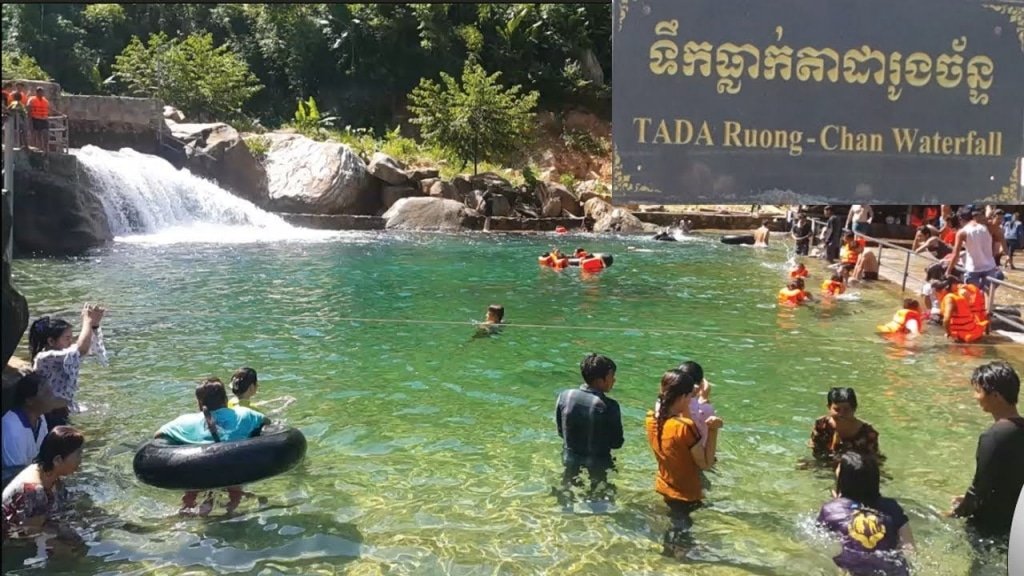
Located about 17 kilometers from Kampot, Tada Roung Chan Waterfall resort represents the more developed end of the waterfall spectrum. Wooden huts and hammocks flank a semi-natural pool created by strategically blocking water flow, creating a safe swimming area where Cambodian families spend lazy afternoons splashing, eating, and generally enjoying life.
The resort area itself sits relatively low, but a trail leads up the hill to the main Tada Roung Chan Waterfall. The hike requires some effort—expect steep sections—but bird watchers will appreciate the opportunity to spot species along the route. Upon reaching the top, you'll need to remove shoes and enter a pool at the waterfall's base.
One practical warning: the rocks are notoriously slippery. You'll inevitably watch someone tumble while attempting the perfect selfie, providing entertainment for everyone except the person now nursing a bruised ego and possibly a bruised backside. Take your time, watch your step, and maybe skip the action shots.
Entry costs just $1, and the site operates 24/7, though common sense suggests daylight hours work better for waterfall adventures. The developed facilities—food stalls, sitting areas, and the semi-natural pool—make Tada Roung Chan particularly suitable for families with young children or houseguests who want waterfall experience without hardcore hiking.
Omal Waterfall: The Hidden Picnic Paradise
Also known as Aumal Rapid or the Banana Waterfall, Omal Waterfall sits in Snam Prampir village in Teuk Chhou district. Locals and tourists praise this natural site for its tranquil atmosphere, making it ideal for picnics, swimming, hiking, and camping.
The waterfall's charm lies in its accessibility combined with relative seclusion. Unlike Teuk Chhou Rapids which can get wonderfully chaotic with visitors, Omal maintains a calmer vibe where you can actually hear nature over splashing children (though children do appear on weekends, as they should—joy knows no boundaries).
Swimming in Omal's cool waters provides that perfect combination of refreshment and relaxation. You can set up a proper picnic, spreading out blankets and enjoying quality time with family or friends while listening to the sounds of cascading water and jungle birds. Some visitors camp overnight, waking to mist rising from the water and sunlight filtering through trees.
Again, seasonal timing matters. Visit during the dry months of March through June, and you might find limited water flow. The wet season and its immediate aftermath deliver the best swimming conditions, with pools deep enough for proper swimming rather than just ankle-wading.
Natural Swimming Pools: Filtered Perfection
Kampot boasts two exceptional natural swimming pools that combine the beauty of swimming in nature with the security of controlled environments. Both Bohemiaz Eco Retreat and Ganesha Eco-Guesthouse have created natural pools that filter water through plants and minerals rather than chemicals, resulting in water so soft it feels like swimming through silk.
Bohemiaz's 18-meter natural pool sits near the bottom of Bokor Mountain on the opposite side of Teuk Chhou River. The water stays pristine without salt or chemicals, thanks to plants living in an attached filter pool and a unique man-made gravel filter. They even add a special dye that prevents algae growth while making the water gleam extra blue in sunlight. You can open your eyes underwater without any stinging—a small luxury that swimmers quickly learn to appreciate.
Ganesha Eco-Guesthouse offers an even larger natural pool at 600 square meters, reaching 3.5 meters deep at its fullest point. The clay bottom undergoes natural filtration using solar power and limestone to balance acidity. The resulting water quality earned raves from visitors who describe it feeling like a blanket caressing your skin.
Both pools sit several kilometers outside Kampot's city center, requiring a motorbike, bicycle, or tuk-tuk ride to reach them. The journey itself provides half the fun, taking you through countryside where pepper plantations alternate with small villages and water buffalo cooling themselves in muddy ponds.
River Swimming: Kampot's Liquid Highway
The Teuk Chhou River (also called Kampot River or Praek Tuek Chhu River) serves as the region's liquid highway, and many houseguests staying at riverside properties make swimming in it a daily ritual. The river is considerably cleaner than most Southeast Asian waterways, especially as you move away from town center toward more rural stretches.
Several riverside guesthouses and resorts provide dedicated platforms for guests to jump directly into the river. Greenhouse, Champa Lodge, and similar properties welcome drop-ins to enjoy their gardens and take a dip, even if you're not staying overnight. Banteay Srey Project on the opposite side of the Old Bridge offers a lovely lounging area with vegan food and fresh juices—they even provide Khmer-style swimmers for free if you forgot yours.
Swimming safety in the Kampot River requires common sense rather than paranoia. The water quality is generally safe, though moving further from town center improves it significantly. However, currents can get very strong during wet season, particularly from July through October. Avoid swimming at night or after consuming alcohol, and never jump from the old bridge—at least one tourist death occurred from this activity.
The river's width makes it excellent for kayaking as well as swimming. Many guesthouses provide kayaks for day or half-day rentals, allowing you to paddle downstream toward Kampot while stopping at natural beaches to rest and chat with locals from fishing villages. The views are stunning—tropical jungle in the foreground with mountains rising in the background.
For those seeking a more exclusive river swimming experience, properties like Queen Island provide private access to the Stung Sangke River. The appeal of swimming from your own private island, away from any crowds whatsoever, requires no explanation. Combine that with jet ski adventures, and you've got water activities that rival anything coastal resorts offer—but without the saltwater, stinging jellyfish, or crowds fighting for beach space.
Beaches on the River: Sandy Surprises
Yes, Kampot has beaches, though they're river beaches rather than ocean ones. Fish Island, located just two minutes from downtown Kampot by boat (but another 20 minutes to actually reach the beach), features at least one swimming beach with white sand and palm trees. The drive itself is beautiful, though it gets bumpy on dirt roads as you approach.
Koh Smao beach sits on the Kampot River right up from the ocean, offering plenty of food and drink options. It's become Kampot's most popular beach, though "popular" here remains relative—you won't mistake it for Sihanoukville's party beaches.
These river beaches provide an interesting middle ground between freshwater swimming and beach culture. The water stays brackish rather than fully salt, you get sandy shores for building sandcastles or playing beach volleyball, and the crowds stay manageable even on holidays.
Timing Your Aquatic Adventures
Cambodia's tropical monsoon climate divides the year into distinct seasons that dramatically affect swimming conditions. The dry season from November through April brings brilliant sunshine, calm waters, and excellent swimming conditions—along with peak tourist crowds and higher accommodation prices.
November through February represents the sweet spot for water activities. Temperatures hover in the comfortable mid-20s Celsius, waterfalls still carry water from recent rains, and the heat hasn't yet reached oppressive levels. This is genuinely Cambodia's best weather, with pleasant temperatures, clear skies, and chilly evenings that feel refreshing after a day of swimming.
March through May constitute hot season, when temperatures can exceed 35°C and humidity makes the air feel thick enough to drink. Waterfalls begin drying up, river levels drop, and the landscape turns dusty. However, these months offer perfect motivation to spend maximum time in water—any water you can find. Pools at hotels and guesthouses get heavy use as everyone seeks relief from the relentless heat.
The wet season from May through October brings Cambodia's heaviest rainfall, with July through September seeing the most precipitation. Waterfalls roar with proper drama, rivers run high and fast, and the entire landscape transforms into lush green. Short afternoon downpours provide natural cooling, and tourist numbers drop significantly.
Swimming during wet season requires extra caution. River currents strengthen considerably, flash flooding can occur, and some swimming spots become dangerous. However, for waterfall enthusiasts, this is prime time—you'll see Popokvil, Veal Pouch, and other cascades at full power rather than disappointing trickles.
Swimming Safety and Water Quality
Safety around Kampot's swimming spots follows common-sense rules. Current strength varies seasonally, becoming powerful enough during wet season to sweep away even strong swimmers. Always assess conditions before diving in, avoid swimming alone in remote locations, and never mix alcohol with river swimming.
Water quality in Kampot's rivers and waterfalls generally rates quite good compared to many developing nations. The Teuk Chhou River, thanks to its mountain origins and relatively light development upstream, maintains clarity that allows swimming without excessive worry. Moving further from town centers and away from any agricultural runoff improves water quality further.
Natural pools at places like Bohemiaz and Ganesha undergo filtration and monitoring, making them among the safest swimming options available. Waterfall pools fed directly from mountain streams typically offer excellent water quality, though always check for any posted warnings about recent flooding or contamination.
For families with young children, developed spots like Tada Roung Chan or the natural pools offer more controlled environments than wild river swimming. The semi-natural pools provide safe depths, and the presence of Cambodian families serves as a good indicator that locals consider the spot suitable for kids.
Beyond Basic Swimming: Water Sports and Activities
Kampot's water scene extends well beyond simple swimming. The Teuk Chhou River supports fishing, paddle-boarding, kayaking, sunset cruises, and guided river tours. Some riverside properties even offer wakeboarding and water skiing for those seeking more energetic pursuits.
Traditional wooden longtail boat tours through the "Green Cathedral" (mangrove-lined river sections) typically last three hours and include stops for swimming and short walks through fruit plantations. Boats depart early morning from 6:00 AM and again after 5:00 PM for sunset trips, requiring advance booking by phone.
For adrenaline seekers, jet ski adventures on river stretches provide the thrill of speed combined with scenic surroundings—imagine carving through water with jungle on both sides and mountains in the distance. Properties with private river access can offer these experiences without the restrictions you'd face on shared beaches or crowded waterways.
Inner tube floating at Teuk Chhou Rapids represents perhaps the most relaxing water activity imaginable. Rent a tube for small money, float downstream through gentle rapids, drag yourself back upstream, and repeat until thoroughly wrinkled and content. No skill required, minimal effort involved, maximum enjoyment achieved.
Your Kampot Swimming Adventure Awaits
Kampot Province doesn't advertise itself with the aggressive marketing of coastal resorts, and that's precisely why its swimming spots remain so appealing. You'll discover waterfalls where the main challenge is choosing which pool to try first, not finding space among hundreds of other swimmers. River beaches stay peaceful enough that you can actually hear water lapping against sand rather than competing stereos. Natural pools filtered by plants and limestone offer water quality that five-star hotels struggle to achieve with expensive treatment systems.
The region's aquatic offerings span every preference and energy level. Want to hike two hours up a mountain for the privilege of swimming in an alpine waterfall? Veal Pouch awaits. Prefer lounging in a hammock between quick dips while local families provide ambient entertainment? Teuk Chhou Rapids delivers. Seeking that perfect combination of privacy, natural beauty, and adventure activities like jet skiing? Private island properties on the Stung Sangke River provide exactly that experience.
Cambodia's wet season transforms every waterfall into a thundering cascade worth photographing, while dry season offers calm, clear conditions perfect for families with young children. Hot season might reduce some waterfalls to trickles, but it also provides the best possible motivation for spending entire days in whatever water you can find.
Ready to trade overcrowded beaches and chlorinated hotel pools for moss-covered waterfalls and river swimming surrounded by jungle? Kampot's swimming spots don't just cool you down—they remind you why you traveled to Southeast Asia in the first place. Book your stay on a private island where the river becomes your personal playground, or choose a riverside guesthouse where daily swims replace morning coffee as your wake-up ritual.
The water's perfect, the crowds are manageable, and somewhere upstream, a waterfall is calling your name. Time to answer.
Book Your Kampot Water Adventure – Where Private Islands Meet Perfect Swimming
