
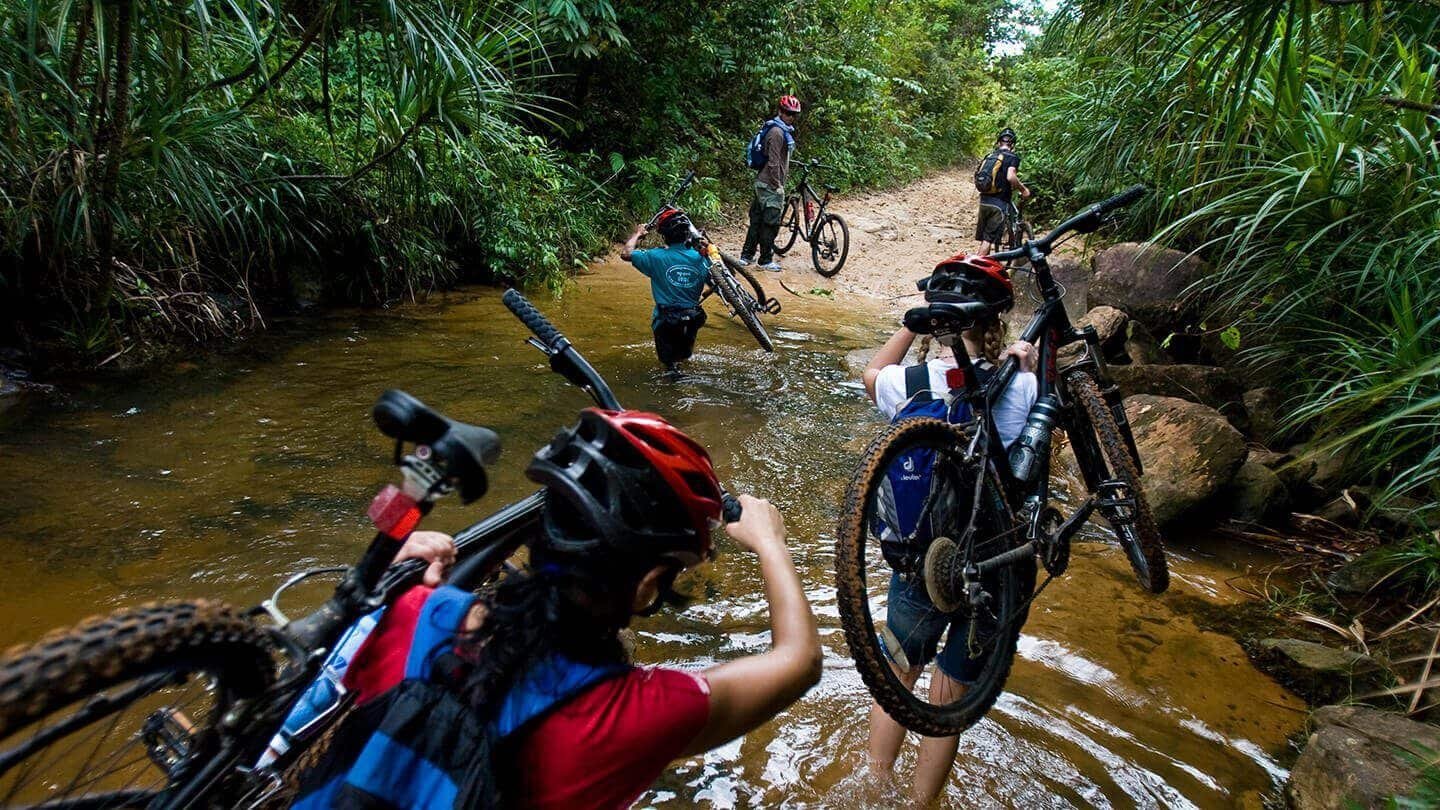
The early morning mist rises from the Kampot River as you adjust your helmet and check your mountain bike's gears. Ahead of you lies not just another cycling route, but a gateway into Cambodia's soul—where ancient temples hide in limestone caves, pepper vines climb toward misty mountaintops, and salt workers harvest crystalline treasures from sun-baked fields. Welcome to mountain biking in Kampot, where every pedal stroke writes a new chapter in your Southeast Asian adventure.
Why Kampot Has Become Cambodia's Mountain Biking Paradise
While Angkor Wat draws millions to Siem Reap's temple complexes, Kampot remains beautifully positioned beneath the Dâmrei Mountains (Elephant Mountains), which drop dramatically to the sea near this historic town. This geographical blessing creates a cyclist's dream landscape—flat coastal plains for leisurely rides, challenging mountain ascents for adrenaline seekers, and everything in between.
The region features Bokor Mountain, which rises to 3,540 feet (1,079 meters) and is now easily accessible via modern infrastructure, transforming what was once a grueling colonial-era trek into one of Southeast Asia's most spectacular cycling challenges. But Bokor represents just one spoke in Kampot's cycling wheel. The real magic happens when you venture beyond the main roads into the rural backroads where authentic Cambodia unfolds at bicycle speed.
Cambodia's flat southeast topography combined with its green, forested countryside makes it ideal for cycling adventures, and Kampot serves as the perfect base camp. Unlike the crowded tourist trails of more developed regions, here you'll find yourself pedaling through landscapes where water buffalo outnumber motorbikes and traditional Khmer village life continues much as it has for generations.
Conquering Bokor Mountain: The Ultimate Elevation Challenge
Every serious mountain biker who visits Kampot eventually faces the same magnificent beast: Bokor Mountain. The 32-kilometer road climbs 1,101 meters from the base near Route 3 to the summit at Bokor Mountain Hill Station, creating one of Cambodia's most demanding yet rewarding cycling experiences.
The journey begins innocently enough. The first 10 kilometers remain flat, giving you time to warm up and admire the surrounding countryside. Then the road tilts upward, and suddenly you understand why many cyclists choose to tackle this climb in the cool early morning hours. The ascent tests every gear ratio on your bike and every fiber in your legs, but the payoff arrives with each switchback.
The winding road features numerous pullouts perfect for photographs, though these spots can become crowded with minibus tour groups. Smart cyclists time their ascent to avoid the mid-morning tourist rush, either starting at dawn or in the late afternoon. The road itself has been dramatically improved in recent years, making the physical challenge of the climb the only real obstacle—the smooth tarmac eliminates the bone-jarring experience that older cyclists remember from decades past.
As you climb higher, temperatures drop noticeably, and fog or rain often shroud the summit, creating an otherworldly atmosphere. Pack a lightweight rain jacket and maybe even a light fleece—the mountain microclimate can catch unprepared cyclists off guard. The cooler temperatures at elevation provide welcome relief from Cambodia's tropical heat, making the summit feel like you've cycled into a completely different climate zone.
The Ghost Town at the Top: Where History Meets Adventure
Bokor Hill Station was constructed in the early 1920s as a temperate mountain luxury resort for French colonial residents seeking relief from the oppressive heat. Nine hundred workers died during the nine-month construction period, and this grim history lends an eerie weight to the abandoned buildings that still dot the mountaintop.
Today's cyclists arrive at a bizarre juxtaposition of past and present. The centrepiece Bokor Palace Hotel, inaugurated in 1925, has been renovated and now operates as the Thansur Bokor Highland Resort, while nearby stand the haunting ruins of the old Catholic church, the King's residence, and various colonial structures in different states of decay and restoration.
The summit area offers multiple exploration options beyond just the famous buildings. Povokvil Waterfalls lie to the northeast, a hydroponic farm operates on the mountain, and the massive Lok Yeay Mao statue towers nearly 100 feet tall. Cyclists can spend hours exploring these sites, though remember that your legs will need to handle the descent—which presents its own thrilling challenges.
Rural Village Routes: Where Authentic Cambodia Reveals Itself
The real treasure of Kampot cycling lies not in conquering mountains but in discovering the rural backroads that spiderweb through the countryside. These routes wind through picturesque fishing villages, past traditional crab farms that supply the region's renowned aquaculture industry, and alongside pepper plantations that produce what many consider the world's finest peppercorns.
These backroads offer peaceful cycling through places you'd never find on your own, past rice paddies and small villages where daily life unfolds at a gentle pace. The routes remain mostly flat, making them accessible to cyclists of varying fitness levels, including families with older children. During the rainy season, some smaller roads flood, adding an adventurous element as you navigate around water-filled sections—though this rarely proves impassable for mountain bikes with proper tread.
One particularly rewarding circuit takes you through the salt field regions between Kampot and Kep. Cycling through these salt fields reveals a mesmerizing landscape where seawater sits on clay beds and cone-shaped crystal mounds dry in the sun. The geometric patterns of the salt pans create stunning photographic opportunities, especially during golden hour when the low sun transforms the shallow water into mirrors reflecting the sky.
Pepper Plantation Trails: Following the Spice Route
The Kampot area has long been renowned for the quality of its pepper, and cycling past these plantations offers insights into the agricultural heritage that has made this region famous. La Plantation, located 19 kilometers from Kampot city, stands as the province's largest pepper farm and offers guided tours explaining the cultivation process for green, black, red, and white pepper varieties.
The route to La Plantation exemplifies what makes Kampot cycling so special. The journey winds past rice paddies, traditional Khmer houses, and stunning mountain backdrops, making the ride itself part of the experience. Unlike purely athletic cycling challenges, these agricultural routes combine moderate physical activity with cultural immersion and educational opportunities.
Serious cyclists can extend these pepper plantation routes into longer loops that incorporate multiple farms and rural villages. Organized cycling tours often stop at pepper farms where visitors learn why black pepper from this region became a prized specialty crop in French restaurants during the 19th century, allowing you to taste the distinctive flavors that earned Kampot pepper its protected geographical indication status.
Cave Temple Cycling: Ancient Spirituality Meets Modern Adventure
Few cycling experiences match the otherworldly feeling of pedaling through rural Cambodia to discover ancient temples hidden inside limestone caves. Phnom Chhngok features a remarkable cave temple constructed between the 7th and 8th centuries, accessible via cycling routes that weave through the countryside north of Kampot.
The approach to these cave temples follows quiet roads where the journey matters as much as the destination. Traditional Khmer villages dot the route, and friendly locals often wave as you pass—cycling's slower pace makes these human connections possible in ways that zooming past in a car or van never allows. The temples themselves reward the effort of reaching them, with ancient brick structures and religious carvings that predate even Angkor Wat.
These cave temple routes typically remain flat or gently rolling, making them excellent half-day cycling options. They work particularly well for riders who want cultural experiences without the physical demands of mountain climbing. Pack a headlamp or good flashlight for exploring the cave interiors, and remember that appropriate modest dress (covered shoulders and knees) shows respect when visiting active religious sites.
The Cardamom Mountain Frontier: For Advanced Mountain Bikers Only
While most Kampot cycling sticks to improved roads and well-maintained rural tracks, adventurous mountain bikers can push deeper into the wilderness. The Cardamom Mountains to the north offer single-track trails through dense forests, rides that cross rivers and navigate over fallen logs, with surfaces varying from soft sand to wet mud.
These advanced routes require genuine mountain biking skills, proper equipment, and ideally a local guide who knows the trail conditions. Riders on these routes stop at waterfalls to cool off during the hot sections, turning the cycling challenge into a full wilderness adventure. This level of cycling adventure appeals to experienced riders seeking authentic off-road experiences far from any tourist infrastructure.
The Cardamom routes typically work best as multi-day supported tours where a vehicle carries camping gear and supplies. Solo touring cyclists should note that stealth camping in Cambodia's rural areas requires caution due to the continued presence of unexploded landmines from past conflicts—always ask locals for guidance about safe camping locations rather than setting up camp randomly.
Timing Your Ride: Seasons, Weather, and Daily Schedules
Cambodia's tropical climate dramatically affects cycling conditions, making season selection crucial for enjoyable rides. The best time for cycling holidays in Cambodia runs from November to April during the dry season, when cooler weather makes outdoor activities more pleasant, though temperatures can still reach 30°C (86°F).
During the heavy rains from May to October, many routes become inaccessible, and planning cycling trips during this period is generally not recommended. The rainy season doesn't mean constant downpour—afternoons typically see heavy rain while mornings stay dry—but the muddy trail conditions and flooding make cycling far less enjoyable and sometimes dangerous.
Daily timing matters almost as much as seasonal planning. Smart cyclists in Kampot start rides early, taking advantage of the coolest morning temperatures before the tropical sun reaches its full intensity. Dawn departures around 6 or 7 AM allow you to complete substantial distance before the heat becomes oppressive around 11 AM. Many cyclists return to their accommodations by early afternoon, spending the hottest hours swimming, resting, or exploring Kampot town before the evening activities begin.
For Bokor Mountain ascents, the early start becomes even more critical. Beginning the climb at first light means you'll reach the cooler elevations before mid-morning heat, and you'll avoid both the tour bus crowds and the afternoon fog that can obscure the spectacular views that make the climb worthwhile.
What to Bring: Gear and Preparation for Kampot Cycling
Mountain biking in rural Cambodia requires more preparation than casual cycling in developed countries. Start with the bike itself—while basic single-speed bikes suffice for flat village routes, mountain bikes with decent gears prove essential for Bokor Mountain's challenging climbs, and thick tires are recommended for Cambodia's mix of paved roads and unpaved dirt tracks.
Local bike rental shops in Kampot town offer modern mountain bikes in good condition, with rates typically ranging from five to twelve dollars per day depending on bike quality. Serious cyclists planning extended trips or tackling Bokor multiple times might consider renting higher-end bikes from specialized cycling tour companies that maintain fleets of quality Trek or Giant mountain bikes with reliable gear systems.
Beyond the bike, proper hydration becomes paramount in Cambodia's heat. Cambodia's drinking water quality isn't monitored and isn't safe to drink, but bottled water is available almost everywhere. Carry more water than you think you'll need—dehydration happens quickly under the tropical sun, especially during climbs. A hydration pack system allows you to drink while riding without stopping, maintaining your rhythm during long ascents.
Sun protection ranks equally important. Strong sunscreen, UV-protective cycling clothes, and quality sunglasses protect against Cambodia's intense equatorial sun. A lightweight buff or neck gaiter serves double duty, protecting your neck from sun while providing a face covering if dusty conditions arise on dirt roads. Don't forget a good helmet—while not legally required in Cambodia, head protection becomes essential on technical descents and rural roads where medical facilities may be distant.
Pack a basic repair kit including spare tubes, tire levers, a multi-tool, and a portable pump. Rural Kampot doesn't offer bike shops every few kilometers like urban areas in developed countries. Mechanical problems on remote routes mean long walks back to town unless you carry essential repair supplies. A chain tool and spare quick-link can save a ride if chain problems occur mid-journey.
Why Water Lovers Should Make This Island Home Their Cycling Base
Here's where we need to talk about why serious adventure travelers choose to stay with us at Queen Island. Yes, we're primarily known for our private island setting and incredible river activities—our jet ski adventures draw thrill-seekers from across Cambodia and beyond. But that same adventurous spirit that drives guests to rip across the Kampot River on our watercraft translates perfectly to mountain biking exploration.
Our location offers strategic advantages for cycling enthusiasts. We're positioned away from Kampot town's bustle, meaning you can start morning rides from a place of tranquility, already immersed in the rural Cambodia you came to explore. After crushing a six-hour Bokor Mountain challenge or completing a dusty 50-kilometer pepper plantation loop, nothing beats returning to our private island sanctuary for recovery.
The river activities we offer create perfect cycling rest days or afternoon supplements to morning rides. Pedal hard in the morning while temperatures stay manageable, then spend your afternoon on the water—kayaking the peaceful reaches of the Kampot River, trying your hand at fishing, or yes, unleashing your inner speed demon on our jet skis. This combination of land and water adventure makes for incredibly satisfying active vacations where you never feel like you're repeating the same activity.
Our guests also appreciate the full kitchen facilities and barbecue areas after long cycling days. Refueling with proper meals becomes crucial when you're burning thousands of calories on extended rides. Unlike hotel rooms with limited food options, here you can prep exactly the nutrition your body needs—whether that's massive pasta portions before a Bokor attempt or protein-rich recovery meals afterward.
The private island setting means secure bike storage and the space to properly clean and maintain bikes between rides. Kampot's dirt roads and muddy rainy season conditions mean bikes need regular cleaning, and our outdoor areas with garden hoses make this practical rather than the nightmare it becomes trying to wash a mountain bike in a small hotel bathroom.
Cycling Tours vs. Independent Exploration: Which Path to Choose
Kampot offers excellent options for both guided cycling tours and independent exploration, each with distinct advantages. Local cycling tour companies like Kampot Smiling Tour provide half-day and full-day trips that include bike rental, guide services, and visits to local businesses making traditional products like rice noodles and wafer cookies.
Guided tours solve several practical problems for first-time Kampot visitors. Your guide handles navigation through unmarked rural roads where getting lost becomes remarkably easy. They communicate with locals in Khmer, opening doors to authentic experiences that independent travelers might miss. Tour companies maintain fleets of well-serviced bikes, eliminating concerns about mechanical reliability. And group riding provides social interaction and shared motivation during challenging sections.
Independent cycling offers different rewards. You set your own pace, stop whenever something interesting catches your eye, and modify routes spontaneously based on energy levels and weather. The freedom to take that unnamed side road, spend an extra hour at a fascinating temple, or turn a planned half-day ride into an impromptu full-day adventure makes independent cycling special for experienced riders comfortable with navigation and basic bike repairs.
A hybrid approach works well—join a guided tour for your first day or two to learn the area and identify interesting routes, then strike out independently once you've gained local knowledge and confidence. This strategy provides the best of both worlds, combining expert local insight with personal freedom.
The Elephant in the Room: Road Safety in Cambodia
Let's address what every cyclist in Cambodia thinks about: traffic conditions. The highway from Kampot to the base of Bokor can be nerve-racking for riders not comfortable in traffic, with buses, motorcycles, and large cargo trucks whizzing by. Staying as far right as safely possible and maintaining calm awareness become essential skills.
Rural backroads present far gentler conditions. Cambodia's roads generally feature shoulders, and locals are accustomed to cyclists on the roadside, creating a relatively bike-friendly environment once you escape main highways. Village roads carry minimal traffic—you're more likely to encounter water buffalo or wandering chickens than speeding vehicles.
The improved Bokor Mountain road eliminates many historical hazards. The current road incorporates battered slopes and advanced drainage systems designed to prevent landslides, making it far safer than the deteriorating track that existed for decades. Still, the descent requires caution—the winding mountain road with steep drop-offs demands respect, proper braking technique, and attention to potential road debris or wet patches, especially during foggy conditions near the summit.
Beyond the Bike: Making Kampot Your Multi-Sport Adventure Hub
The beauty of Kampot as a cycling destination lies in how well it integrates with other activities. Bokor National Park offers walking trails ranging from couple-hour walks to full-day treks, allowing rest days that keep you moving without the leg-hammering intensity of cycling. The Kampot River itself provides endless water-based alternatives when you need cycling breaks.
Kampot's famous river sunset cruises offer gentle floating recovery for tired legs while still getting you outdoors. Local cooking classes teach you to prepare the Khmer cuisine you've been fueling your rides with. Organized tours include boat trips to nearby islands like Koh Tonsay (Rabbit Island), featuring beautiful beaches perfect for post-cycling relaxation.
This multi-sport approach prevents the burnout that can occur when cyclists push too hard day after day. Your body needs recovery time, and Kampot provides recovery options that feel like adventures rather than forced rest days. Spend one day tackling Bokor, the next floating down the river in a kayak, followed by a moderate-distance pepper plantation loop—this varied approach keeps vacation energy high while allowing proper physical recovery.
Final Thoughts: Why Your Legs Will Thank You for Choosing Kampot
Cambodia's predominantly flat landscape makes cycling accessible to most fitness levels, with routes following quiet country roads with light traffic. Kampot captures this accessibility while adding the dramatic option of serious mountain challenges for riders seeking them. Few cycling destinations offer this range—from gentle village cruises suitable for families to lung-busting mountain ascents that challenge experienced riders.
The cultural immersion that happens at bicycle speed simply can't be replicated from inside vehicles. When you cycle through rural Cambodia, you become part of the landscape rather than just observing it. Children wave enthusiastically as you pass. Farmers look up from their work and smile. The scent of pepper vines in flower, the feel of dirt road dust on your skin, the taste of fresh coconut water purchased from a roadside vendor—these sensory experiences define cycling travel in ways that mere sightseeing never can.
Mountain biking in Kampot isn't about ticking off trail conquests or adding countries to a cycling resume. It's about discovering that the journey between destinations holds as much magic as the destinations themselves. It's about the conversation with a salt field worker during your water break, the shared triumph with fellow cyclists at Bokor's summit, the satisfaction of navigating rural tracks using only your instincts and occasional pointing by helpful locals.
Cambodia unfolds at bicycle speed, revealing layer after layer of complexity, beauty, and authentic human connection. The physical challenge of the riding paradoxically allows deeper mental relaxation—when your body works hard navigating terrain and maintaining cadence, your mind enters that flow state where thoughts settle and awareness expands. This meditative quality of long cycling days creates vacation memories that linger far longer than passive sightseeing ever could.
Ready to Trade Your Car Keys for Handlebars?
The hidden trails of Kampot are calling, and your mountain bike is the key that unlocks them. From the mist-shrouded summit of Bokor Mountain to the sun-drenched salt fields stretching toward Vietnam, from ancient cave temples to aromatic pepper plantations, these routes offer adventure that matches your capability and ambition.
Whether you're a hardcore cyclist chasing elevation profiles and distance records or a casual rider seeking authentic cultural experiences at a gentler pace, Kampot delivers. The diversity of terrain means you'll never feel trapped doing the same ride repeatedly, while the consistent quality of experiences ensures every cycling day satisfies.
Don't let another vacation pass watching the world through car windows. Get into the saddle, feel Cambodia's red dust on your legs, and discover why cyclists who visit Kampot invariably start planning their return trip before they've even left. The trails await, the adventures are infinite, and your legs were built for more than walking to parking lots.
Contact us at Queen Island to plan your Kampot cycling adventure. We'll help you find the perfect balance between river thrills and mountain challenges, ensuring your active vacation delivers memories that last far longer than sore legs. The pepper plantations aren't going to explore themselves, and that Bokor summit definitely won't climb itself—your bicycle adventure starts now.
