
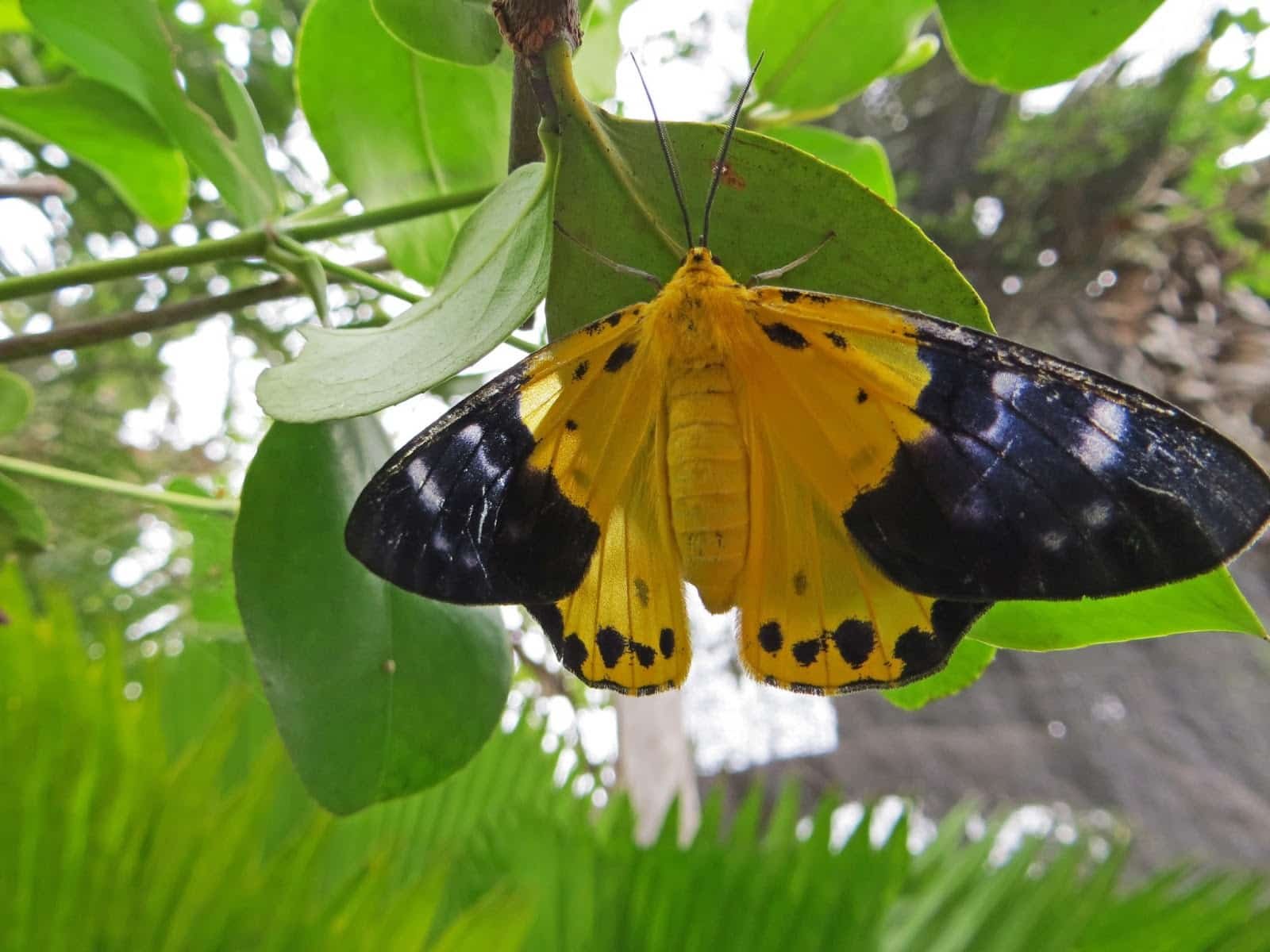
A Living Symphony of Color and Wing
The southern coast of Cambodia harbors one of Southeast Asia's most enchanting natural experiences—a world where delicate creatures paint the air with iridescent wings and intricate patterns. The region surrounding Kampot and Kep has emerged as a premier destination for naturalists, photographers, and anyone yearning to connect with the incredible biodiversity that thrives in tropical Southeast Asia. Beyond the iconic limestone cliffs and pepper plantations, this coastal haven conceals thriving butterfly populations and an astounding variety of insects that collectively create an ecological masterpiece worthy of careful exploration and genuine appreciation.
The Marvel of Native Butterfly Species
The Kep Butterfly Garden stands as a testament to the extraordinary diversity of Cambodian butterflies, hosting over 200 species of these ethereal insects within its carefully maintained sanctuary. What makes this destination particularly remarkable is its authentic commitment to displaying exclusively native species—butterflies that have naturally evolved and flourished throughout Cambodia's tropical landscape for countless generations. Visitors stepping into this enchanted space are not merely observing captive creatures, but rather witnessing representatives of a living heritage that connects directly to the region's wild forests and river systems.
The biodiversity records from scientific surveys in southwestern Cambodia are equally impressive. Research documenting butterflies in the coastal Cardamom foothills between 2010 and 2018 identified an astounding 151 butterfly species, with an additional 39 species recorded for the very first time in Cambodia during this period. This isn't simply a matter of scientific interest—these findings underscore how much remains to be discovered and appreciated about Cambodia's natural treasures. Species like the Common four-ring butterfly, spotted zebra butterfly, and various swallowtail species create a visual spectacle that transforms the gardens into living galleries of natural art.
Understanding the Complete Life Cycle Journey
One of the most captivating aspects of visiting a butterfly garden lies in witnessing the complete transformation from egg to caterpillar to chrysalis to fully formed butterfly—nature's most dramatic metamorphosis. Educational displays throughout the Kep Butterfly Garden meticulously chronicle this remarkable journey, allowing visitors to observe specimens at each developmental stage. Tiny eggs adorning leaves sit alongside colorful caterpillars in various growth phases, chrysalises suspended in protective enclosures, and finally, the magnificent adult butterflies themselves emerging ready to take flight.
This educational experience proves invaluable for children and adults alike, fostering genuine understanding and appreciation for these creatures' ecological roles. Rather than simply admiring a butterfly in flight, observers gain insight into the precious vulnerability of each stage and the environmental requirements necessary for successful metamorphosis. The garden also emphasizes the specific host plants and nectar flowers that different species depend upon, illustrating the intricate web of relationships that sustains butterfly populations in nature.
A Broader Insect Biodiversity Landscape
While butterflies capture the imagination with their visual splendor, the broader insect diversity of the Kampot-Kep region tells an equally compelling story of ecological richness. Research conducted in protected areas and natural habitats throughout southwestern Cambodia has documented tremendous variety across multiple insect orders. Scientists have recorded beetles, true bugs, and numerous other arthropod groups that collectively perform irreplaceable ecosystem functions—from pollination and pest control to nutrient cycling and decomposition.
The coastal mangrove ecosystems and riverine peatlands in Kampot Province support specialized insect communities uniquely adapted to these environments. These insects, though often overlooked compared to more charismatic wildlife, serve as crucial indicators of environmental health and ecosystem stability. The presence of diverse dragonfly species along waterways, various bee populations visiting flowering plants, and countless ground-dwelling invertebrates all contribute to the region's ecological vitality.
The Preah Monivong Bokor National Park Connection
Located just above the Kampot lowlands, Preah Monivong Bokor National Park expands the possibilities for insect observation and naturalist exploration. This 1,400-square-kilometer protected area encompasses the dramatic Elephant Mountains, rising to 1,079 meters and creating diverse habitat zones that support different insect communities at various elevations. The park's forests, waterfalls, and misty plateaus provide cooler, moister conditions that attract specialized butterfly and moth species absent from lower-altitude gardens.
Hikers ascending through Bokor's forested slopes may encounter hundreds of butterflies, particularly during the April to October rainy season when the landscape blooms with lush green vegetation and abundant flowering plants. Early morning explorations often yield sightings of species actively basking on sunlit leaves or feeding on nectar-rich blooms. The sheer variety of forest types—from coastal evergreen to deciduous dipterocarp forests—creates distinct microclimates supporting different insect assemblages throughout the park.
Visiting the Kep Butterfly Garden: A Practical Guide
The Kep Butterfly Garden resides in a beautifully maintained flower-filled enclosure featuring well-designed pathways that invite leisurely exploration. The garden landscaping deliberately incorporates vibrant native flowering plants specifically selected to attract and sustain butterfly populations, ensuring visitors encounter actively feeding and flying specimens rather than dormant creatures. Comfortable seating areas, swings, and hammocks scattered throughout the gardens allow visitors to settle in and observe the intricate behaviors and interactions between butterflies and their floral resources.
Entry to the garden typically requires modest admission fees, with knowledgeable local guides available to provide expert commentary on different species, their behavioral patterns, and their ecological relationships. The intimate scale of the garden—manageable in scope yet rich in content—makes it accessible for families with young children while still offering substantial educational depth for serious naturalists. Photography enthusiasts find abundant opportunities to capture stunning macro images as butterflies land on flowers just meters away.
Optimal Timing for Maximum Butterfly Encounters
The dry season stretching from November through May represents the ideal window for experiencing Cambodia's butterfly abundance with maximum comfort and visibility. During this period, Cambodia experiences minimal rainfall, clear skies, and temperatures ranging from pleasantly cool in northern months to warmly tropical by May. The consistently sunny conditions during these months energize butterfly activity and create the luminous lighting essential for photography.
Morning hours prove particularly rewarding for butterfly observation, as these creatures emerge from evening lethargy with heightened activity levels. The cooler early morning temperatures seem to slow their movements slightly, providing more opportunities for patient observers to approach and observe without constant flight disruption. By mid-morning, temperatures rise and butterfly activity intensifies, though the insects move more rapidly in warm conditions. The golden light of early morning also creates favorable photography conditions with minimal harsh shadows.
Within the dry season, November through February offers the most comfortable conditions for outdoor exploration, with cooler temperatures in the 24-30°C range. March through May brings progressively warmer weather reaching 32°C in some areas, though the coastal Kep location benefits from maritime breezes that moderate temperatures. Photographers and serious naturalists often prefer the earlier months, while those seeking warmer weather may prefer the later dry season period.
Photography Techniques for Capturing Butterfly Beauty
Successfully photographing butterflies demands specific approaches and considerable patience, transforming the experience from simple observation into creative artistic endeavor. The fundamental principle involves avoiding sudden movements or loud sounds that startle these sensitive creatures—stepping quietly, speaking softly, and maintaining awareness of your shadow's position relative to the butterfly. Wearing neutral-colored clothing in browns, grays, or blacks allows closer approaches compared to bright colors that butterflies perceive as threatening.
Equipment selection dramatically influences success rates. For serious macro photography, interchangeable lens cameras with dedicated macro lenses provide unparalleled control and image quality. However, excellent results emerge from contemporary smartphone cameras and point-and-shoot systems when combined with proper technique. The key involves focusing on flowers and plants where butterflies are actively feeding, rather than attempting to chase airborne insects. Positioning your camera at a favorable flower and waiting patiently for the butterfly to land often yields far superior results compared to tracking moving targets.
Camera settings require careful calibration to manage the shallow depth-of-field inherent in macro photography. Higher aperture numbers like f/22 or greater ensure adequate wing focus, though this demands faster shutter speeds (at least 1/125 second) and potentially increased ISO sensitivity to maintain proper exposure. For digital SLR cameras, starting settings around ISO 200, f/22, and 1/125 second with flash provide an excellent foundation for experimentation and refinement.
Sustainable Butterfly Farming and Community Benefits
The butterfly garden operations in Kep and nearby regions represent a sophisticated integration of conservation, ecotourism, and community economic development. Rather than capturing wild butterflies, sustainable farming models train local community members in butterfly husbandry—maintaining breeding colonies, recognizing native species, and caring for pupae through metamorphosis. This approach generates sustainable income for villages adjacent to forest areas while simultaneously providing economic incentive to protect natural forests essential for wild butterfly populations.
Farmers participating in these programs typically earn reasonable monthly income from delivering chrysalises to the gardens—income that often exceeds agricultural wages in the region. The economic value of living forest translates directly into household prosperity, shifting local incentive structures away from forest clearing and toward conservation. This model has successfully replicated across Southeast Asia and Africa, demonstrating that biodiversity protection need not conflict with rural economic development when properly structured.
Broader Ecological Significance and Conservation Imperatives
Butterflies serve as exceptional ecological indicators—their presence, abundance, and diversity reliably reflect overall ecosystem health. Regions supporting abundant butterfly populations typically harbor robust plant communities, functional pollination networks, and relatively intact habitat structures. Conversely, butterfly declines often signal broader environmental degradation requiring urgent conservation attention. The impressive butterfly diversity still present in the Kampot-Kep region indicates that substantial habitat integrity remains, though ongoing threats from coastal development and agricultural expansion require proactive protection measures.
The broader insect diversity of southwestern Cambodia—including beetles, dragonflies, bees, and countless species yet to be formally described by science—collectively maintains the ecological functions upon which all terrestrial life depends. These invertebrate communities drive decomposition processes that return nutrients to soils, suppress agricultural pest populations through predation and parasitism, and provide essential food resources for birds, reptiles, and small mammals. Protecting insect biodiversity therefore extends far beyond preserving charismatic butterflies—it ensures the fundamental ecological processes sustaining ecosystems and human societies alike.
Combining Butterfly Gardens with Broader Regional Exploration
A truly immersive naturalist experience in the Kampot-Kep region integrates butterfly garden visits with broader habitat exploration. Kep National Park offers hiking trails providing encounters with forest insects in their wild settings, while nearby salt farms and pepper plantations showcase how insects interact with cultivated landscapes. Kayaking through coastal mangrove ecosystems reveals aquatic insects and their connections to terrestrial food webs. Early morning walks along riverbanks or coastal areas often yield dragonfly and damselfly observations as these aquatic insect orders emerge for their daily aerial hunts.
The combination of formal butterfly gardens, protected national parks, and working agricultural landscapes creates comprehensive opportunities for understanding how insects function across different habitat contexts. A multi-day stay in the area allows sufficient time for repeated garden visits under varying weather and lighting conditions, exploration of nearby natural areas, and meaningful interaction with local guides who possess deep knowledge of regional species and ecosystems.
Accommodation and Practical Logistics for Butterfly Enthusiasts
The area surrounding the Kep Butterfly Garden and nearby regions offers various accommodation options suited to different travel preferences and budgets. Several properties situate themselves within easy reach of the garden and other nature attractions, with proprietors often knowledgeable about optimal times and locations for wildlife observation. Proximity to the garden allows for multiple visits during different times of day, capturing varying butterfly activity patterns and lighting conditions.
Village homestays and smaller guesthouses often provide the most authentic interactions with local communities, including potential encounters with local naturalists and guides who can supplement formal garden education with field knowledge. Riverside accommodations in Kampot town offer comfortable bases from which to organize explorations to Bokor National Park and other inland destinations. Most accommodations can arrange transportation to the butterfly gardens and coordinate guided tours with bilingual naturalists capable of providing detailed species identification and ecological context.
Practical Tips for Maximizing Your Naturalist Experience
Bring binoculars and a basic field guide or smartphone app enabling species identification—observing identifying characteristics before attempting close approaches enhances both observation skills and photographic outcomes. Wear layers suitable for temperature variations between coastal areas and higher elevations in Bokor. Approach early for maximum butterfly activity and superior photography lighting, though afternoon explorations often reveal different species and behaviors. Speak quietly and move deliberately—butterflies respond to vibrations and sudden movements by taking flight, while patient stillness often draws them closer.
Consider visiting during overcast or partly cloudy conditions, which paradoxically sometimes improve photography by reducing harsh shadows while maintaining moderate butterfly activity levels. Bring water, sun protection, and insect-appropriate footwear capable of handling variable terrain. Most importantly, cultivate genuine patience and observational mindfulness—this region's insect diversity rewards patient contemplation far more generously than rushed schedules.
Plan Your Naturalist Journey to Cambodia's Butterfly Paradise
The Kampot-Kep region represents one of Southeast Asia's most accessible and rewarding destinations for experiencing tropical biodiversity firsthand. Whether you're a dedicated lepidopterist, casual nature enthusiast, photographer, or simply someone yearning for deeper connection with the natural world, the butterfly gardens and broader insect diversity of this coastal region offer transformative experiences unavailable in more developed destinations. The combination of accessible garden facilities, pristine nearby habitats, and community-based conservation efforts creates ideal conditions for meaningful naturalist engagement.
Plan your visit during the dry season months, arrange transportation to the Kep Butterfly Garden, and allow sufficient time for both formal garden exploration and broader habitat discovery. Bring your camera, curiosity, and patient observational spirit to a region where delicate creatures with transparent wings continue to thrive against considerable odds. The butterflies of Kampot await your arrival, ready to reveal the intricate beauty and profound ecological significance that millions of years of evolution have inscribed upon their remarkable wings. Discover why naturalists from around the world are drawn to this extraordinary corner of Cambodia, where insect biodiversity and human hospitality converge to create genuinely unforgettable experiences.
