
Kampot: Cambodia's Hidden Riverside Gem
Complete Travel Guide 2025 - Discover this authentic riverside destination
Kampot is one of Cambodia's best destinations that most people have never heard of. This riverside town sits 150 kilometers southeast of Phnom Penh and offers everything you want from Southeast Asia: great food, friendly people, beautiful nature, and real culture without tourist crowds.
Located in the southeast corner of Cambodia, Kampot is bordered by Kep Province, southern Vietnam, and the Bay of Thailand. The town sits on the Teuk Chhou River, which flows from the mountains to the ocean just 4 kilometers wide and 12 kilometers long. French colonial buildings line the streets, surrounded by pepper farms, salt fields, and mountains that give Kampot a unique character you won't find anywhere else in Cambodia.
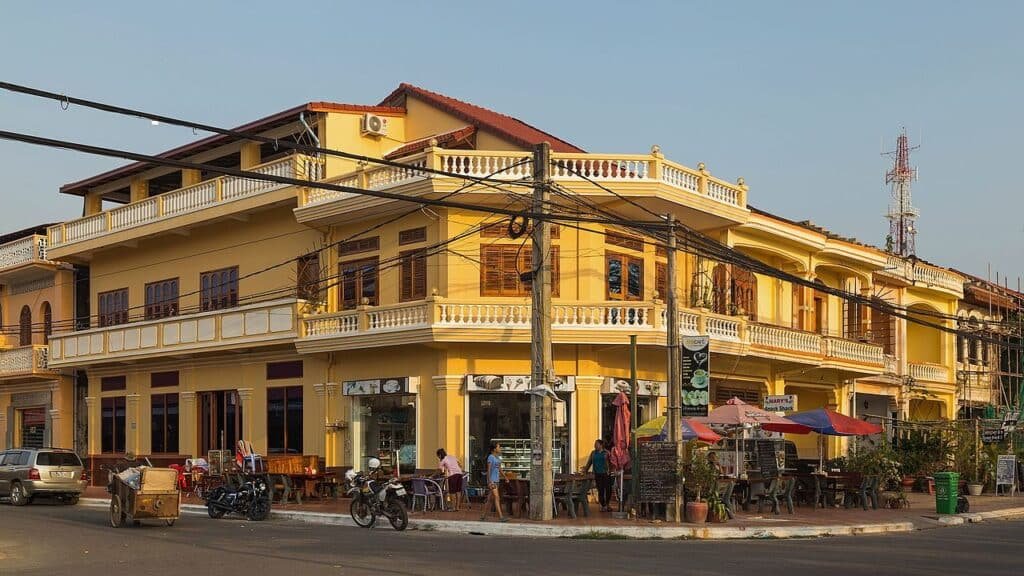
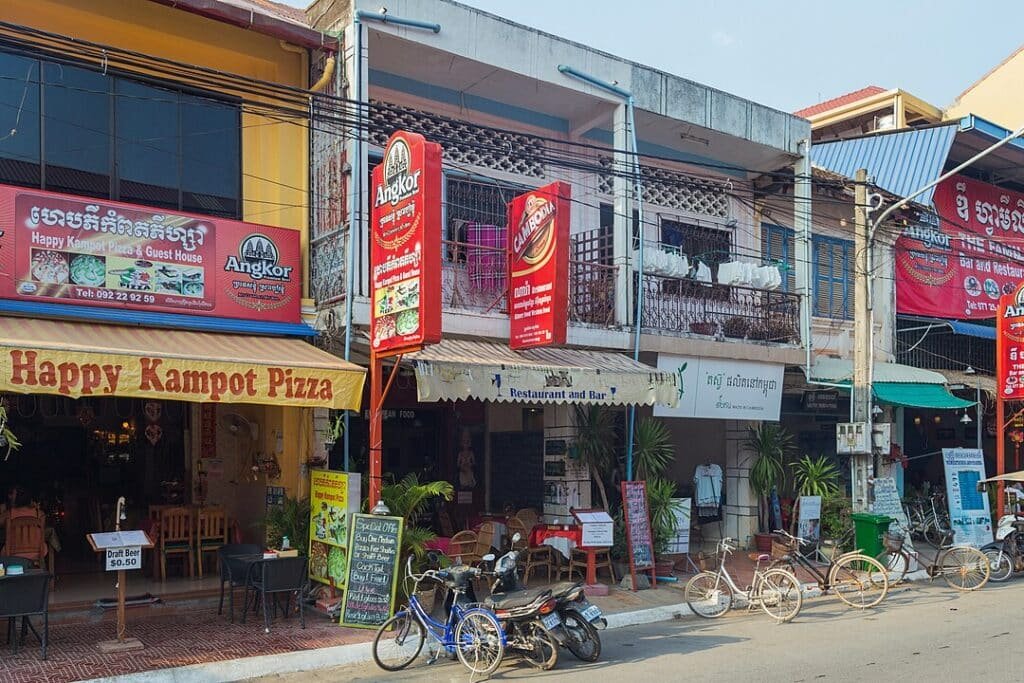
Kampot's geography is simple but important to understand for getting around and planning your activities. The Kampot Province covers about 80 kilometers wide and 100 kilometers from top to bottom, but the city of Kampot itself is compact and manageable. Walking through the streets reveals the town's distinctive French colonial architecture, with weathered two-story buildings featuring shuttered windows and wrought-iron balconies that house modern cafes and guesthouses.
The city center sits on the east side of the Kampot River, while "the other side of the river" refers to the west bank where many guesthouses, restaurants, and riverside retreats have opened in recent years.
Downtown
Located on the east bank of Kampot River, featuring distinctive French colonial architecture and main commercial areas
West Bank
Quieter side where many guesthouses, restaurants, and riverside retreats have opened in recent years
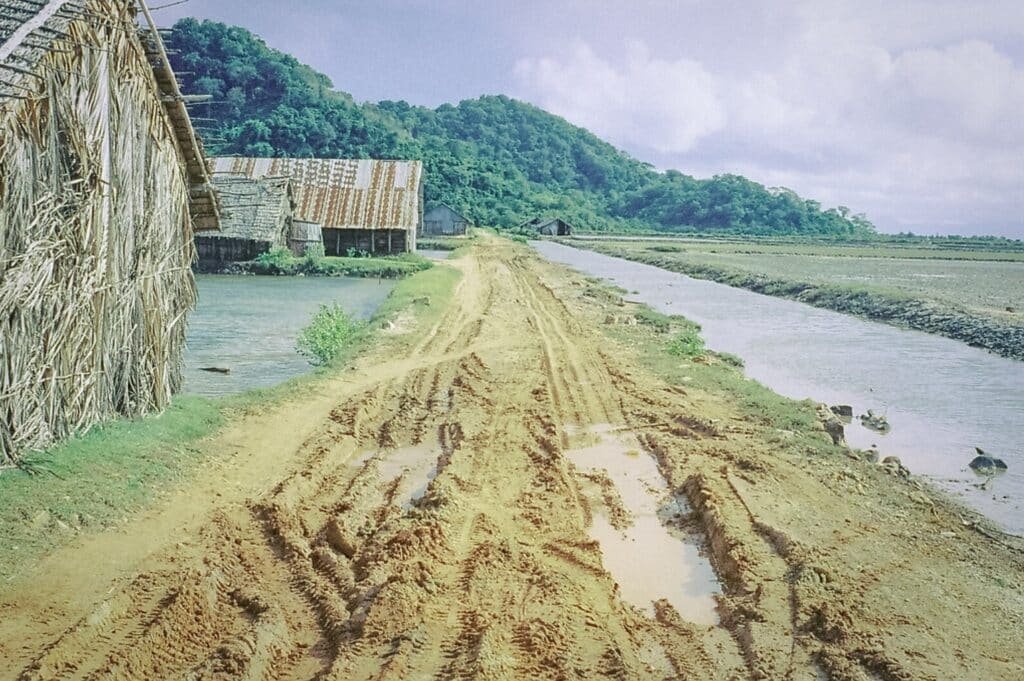
Fish Island
Lightly populated island with salt fields, rice paddies, small mountains, and white sand beaches on the far side
Three Main Bridges Connecting the Sides
Three bridges connect the two sides of town, each serving different purposes:
- New Bridge on Route 3: Handles car and truck traffic traveling between Kampot and Phnom Penh, Sihanoukville, or Koh Kong
- Old Bridge in downtown center: For motorcycles only and provides the most direct access between the main commercial areas
- Railroad Bridge: Leads to Kampot Train Station, where you can catch trains to Sihanoukville or Phnom Penh
Fish Island - A Hidden Gem
Fish Island sits across from downtown, connected by a single bridge just 3 minutes from the center. This lightly populated island has salt fields, rice paddies, small mountains, several guesthouses and resorts, and a white sand beach on the far side. The drive to the beach takes about 20 minutes through fantastic scenery with very few tourists making it out there.
About 15 minutes west of downtown rises Bokor Mountain, reaching 1 kilometer in elevation and featuring one of Cambodia's best roads from bottom to top. The Kampot River comes so close to the ocean that during high tide, the river actually flows upstream, creating unique tidal effects you can observe from the riverside.
Downstream from downtown toward the south, you'll find the Kampot International Tourist Port, which offers boat trips to Koh Rong, Koh Rong Sanloem, and Koh Sdach islands. This represents the biggest tourist facility in town and connects Kampot directly to Cambodia's most popular offshore islands.
Kampot town is small enough to walk around in a day, but interesting enough to keep you busy for a week. The old French Quarter runs along the river, where colonial buildings from the early 1900s now house cafes, restaurants, and guesthouses. These buildings aren't museum pieces - they're real places where people live and work, giving the town an authentic feel that many tourist destinations have lost.
The Kampot Provincial Museum sits in the old French Governor's house, a beautiful building with gardens and exhibits about local history. For $2, you can learn about the area from ancient times to today. The museum provides essential context for understanding what you're seeing around town and helps visitors appreciate the layers of history that created modern Kampot.
The Old Market - Heart of Local Life
The Old Market is where real life happens in Kampot. Vendors start setting up before dawn, arranging piles of tropical fruits, vegetables, and fresh fish from the river. The market has everything from dragon fruit to durian, plus all the spices and ingredients local cooks use. People come from all over Kampot Province, Kep, and even Vietnam to buy things in downtown Kampot that they can't get anywhere else nearby.
One of Kampot's most famous landmarks is the Durian Roundabout, where a giant statue of the smelly fruit sits in the middle of a traffic circle. Kampot durian is actually famous throughout Cambodia for its quality, representing another agricultural product that brings the region recognition.
The riverside walk is perfect for evening strolls and exercise. Around sunset, locals come out for their daily exercise routines on the river, walking, jogging, or just sitting and watching the water flow. The atmosphere is peaceful and friendly, with street vendors selling fresh coconut water and grilled corn while everyone seems happy to chat with visitors.
Kampot pepper is seriously good stuff. It's not just marketing - this pepper has Protected Geographical Indication status, the same protection given to Champagne and Roquefort cheese. The volcanic soil and unique microclimate around Kampot create perfect conditions for growing peppercorns that taste different from pepper grown anywhere else in the world.
Why Kampot Pepper is Special
The volcanic soil and unique microclimate around Kampot create perfect conditions for growing peppercorns that taste different from pepper grown anywhere else in the world. The combination of ideal growing conditions, traditional farming methods, and careful processing creates a product that professional chefs worldwide recognize as exceptional.
Visiting the Plantations
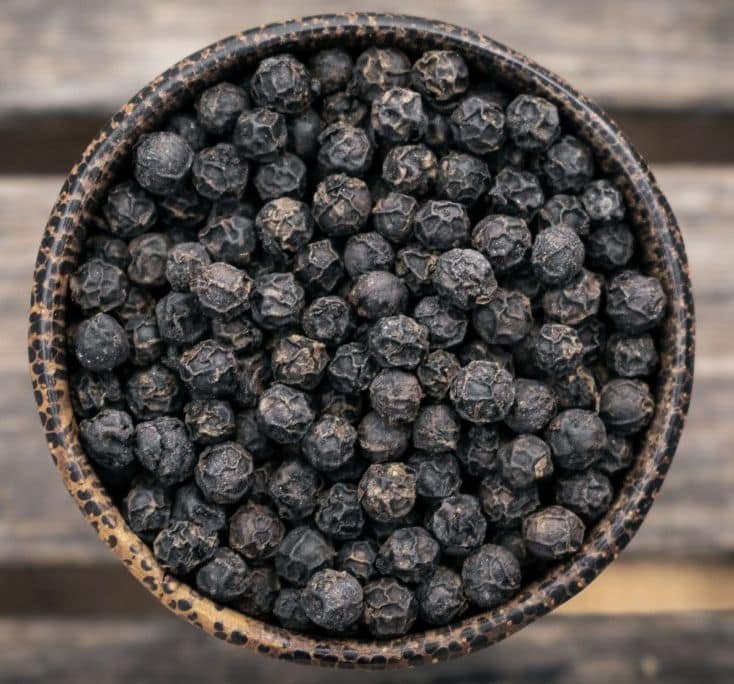
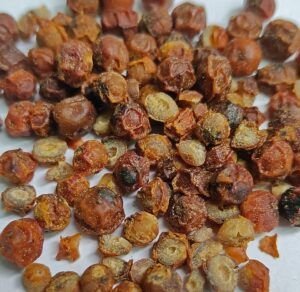
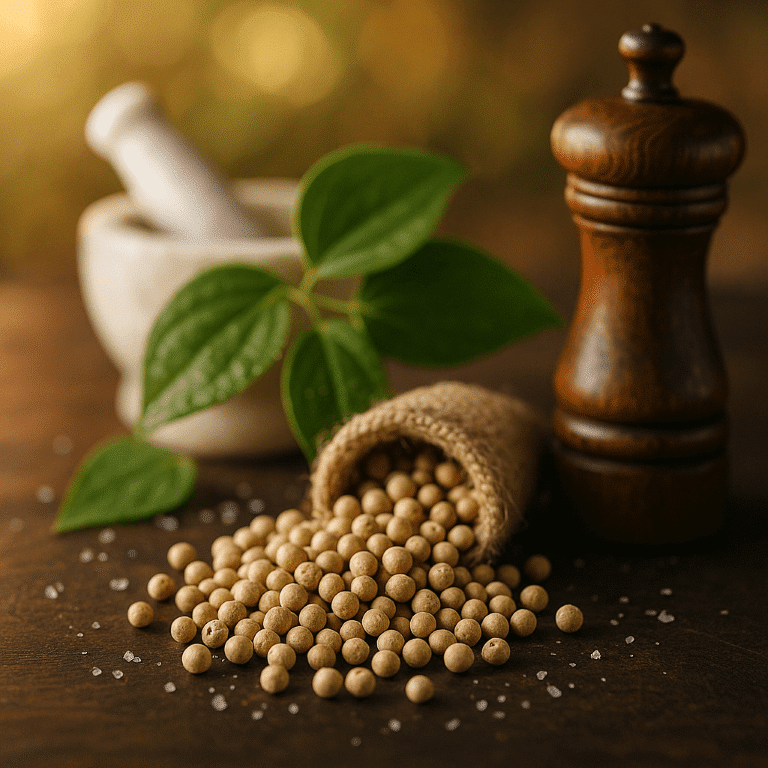
Kampot pepper plantations are located about 30 minutes from town in the direction of Kep, near the Secret Lake. La Plantation offers the best pepper farm experience in the area, with free tours that show you everything about growing pepper, from planting to processing. You'll learn about black pepper (picked green and dried), red pepper (left to ripen on the vine), and white pepper (with the skin removed). They even make pepper ice cream, which sounds weird but tastes amazing.
Black Pepper
Picked green and dried in the sun, offering a distinctive sharp and aromatic taste
Red Pepper
Left to ripen fully on the vine, developing a sweet and fruity flavor
White Pepper
Processed to remove the outer skin, creating a more subtle and complex taste
The tours take about two hours and are given in English, French, and Khmer. The guides know their stuff and are happy to answer questions about everything from soil composition to harvesting techniques. Morning visits are better because it's cooler, and you can see workers doing real farm work rather than demonstrations staged for tourists.
The plantation also has a restaurant where you can try dishes made with their pepper, showcasing how different varieties enhance specific flavors. Other pepper farms around Kampot welcome visitors too. These are often family operations where the owners personally show you around and share stories about pepper farming traditions that go back generations.
The salt fields around Kampot are like stepping back in time. Workers still use the same methods their grandparents did - flooding fields with seawater, letting the sun dry it out, then collecting the salt crystals by hand. Local people work mining these salt fields as one of their main sources of income, representing a traditional industry that has supported families for generations.
🗓️ Salt Production Season
January - April: Active Production
May - December: Off Season
The best time to visit is January through April when salt production is active. You can watch workers raking salt into neat piles and loading it into wicker baskets using tools and techniques that haven't changed for centuries.
The fields are located on Fish Island, about 20 minutes from Kampot town by road. The geometric patterns of the salt fields look amazing, especially early morning or late afternoon when the light is good for photos.
The Detailed Production Process
- Field Preparation (December): Seawater floods carefully prepared fields
- Evaporation (January-April): The tropical sun evaporates water during dry season, leaving behind crystalline salt deposits
- Traditional Collection: Workers collect these crystals using traditional rakes and wooden tools, gathering the harvest in wicker baskets
- Storage and Drying: Salt is stored in bamboo drying sheds before processing
Cambodia produces about 140,000 tons of salt per year, and most of it comes from around Kampot. The salt fields cover thousands of hectares and support hundreds of families who have been doing this work for generations. It's not just tourism - this is real industry that keeps the local economy going and supplies salt throughout Cambodia.
Visiting during active production periods reveals the physical demands of traditional salt making. Workers begin before sunrise to avoid the day's worst heat, methodically raking salt into neat pyramids across the geometric field patterns. The work requires experience and timing - collect too early and the salt remains wet, too late and afternoon rains can ruin entire harvests.
Bokor Mountain sits about an hour's drive from Kampot and offers one of the region's most dramatic experiences. At 1,080 meters high, it's much cooler than the lowlands - a welcome break from tropical heat that can drop temperatures by 10-12 degrees Celsius. The Bokor National Park covers 1,500 square kilometers and is home to elephants, leopards, bears, and hundreds of bird species.
The road to Bokor is excellent now - it was built when Chinese investors opened a casino up there and represents one of Cambodia's best mountain roads. The drive takes about an hour and winds through forest where you might see monkeys, with the road climbing so gradually that you hardly notice the elevation gain until you're suddenly in the clouds.
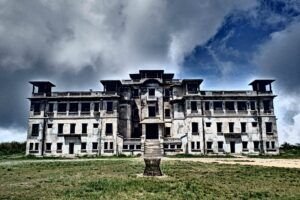
French Hill Station
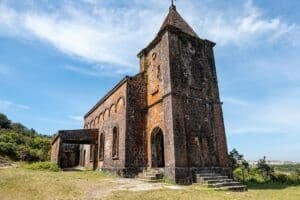
1920s buildings including the iconic Bokor Palace Hotel, restored but maintaining its mysterious atmosphere
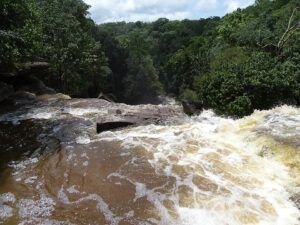
Popokvil Waterfall
Named after Khmer words meaning "swirling clouds" because of the mist that rises from the falls
Old Catholic Church
One of Cambodia's oldest Christian structures with incredible views on clear days
ℹ️ Practical Information for Bokor
- Entrance Fee: Free to the park
- Road Quality: Excellent paved road accessible to all vehicle types
- Travel Time: About 1 hour drive from Kampot
- Temperature Difference: 10-12°C cooler than river level
- Access Conditions: Road quality makes Bokor accessible to motorcycles and tour buses alike
The main attraction is the old French hill station from the 1920s, built as a cool retreat from the lowland heat in the days before air conditioning. The collection of buildings includes the iconic Bokor Palace Hotel, which has been restored but maintains its mysterious atmosphere. The old Catholic church stands as one of Cambodia's oldest Christian structures and sits on a hill with incredible views on clear days that can extend all the way to the Gulf of Thailand.
These colonial structures tell fascinating stories about French attempts to recreate European comfort in tropical Southeast Asia. The buildings were abandoned during World War II and later served as Khmer Rouge strongholds, adding layers of history that create the eerie atmosphere many visitors find compelling.
Popokvil Waterfall is about 20 minutes from the main buildings and gets its name from the Khmer words meaning "swirling clouds" because of the mist that rises from the falls. There are two levels - the first is easy to reach via a short walk from the parking area, while the second requires more hiking but offers better views and more dramatic mist effects.
During dry season there might not be much water flowing, but the setting remains beautiful with tropical forest and rock formations that create excellent photographic opportunities. Rainy season transforms the falls into powerful cascades, though road conditions to reach them can become challenging.
Temperature differences between Kampot town and Bokor summit can be dramatic, especially during early morning or evening hours. Visitors should bring light jackets or sweaters, even when departing from hot weather at river level.
Phnom Chhngok Cave Temple is one of Cambodia's most unique religious sites, located about 9 kilometers from town. You climb 203 steps up a limestone hill to reach a cave containing a 7th-century Hindu temple dedicated to Shiva. This temple is older than Angkor Wat and shows what Cambodian religious architecture looked like before the famous temples everyone knows about.
🏛️ Historical Significance
The brick temple inside the cave is remarkably well preserved, representing Funan-era construction techniques that provide insights into pre-Angkor building methods and religious practices. The cave stays naturally cool, making it a refreshing break from the heat outside while creating an atmosphere that feels genuinely sacred.
The acoustics inside are amazing - even whispers seem to echo and amplify in ways that enhance the spiritual atmosphere. Local people still use the temple for religious ceremonies, so you might encounter monks performing rituals or see offerings left by worshippers who continue traditions that stretch back over a millennium.
Other Cave Systems to Explore
The limestone karst topography around Kampot has created numerous cave systems worth exploring. Phnom Sorsia and Phnom Ta Aun offer additional spelunking opportunities, though these require more adventurous spirits and sometimes local guides familiar with the cave layouts.
- Phnom Sorsia: More adventurous spelunking opportunities
- Phnom Ta Aun: Requires experienced local guides familiar with cave systems
- Bat Population Caves: Create natural air conditioning effects while supporting unique ecosystems