
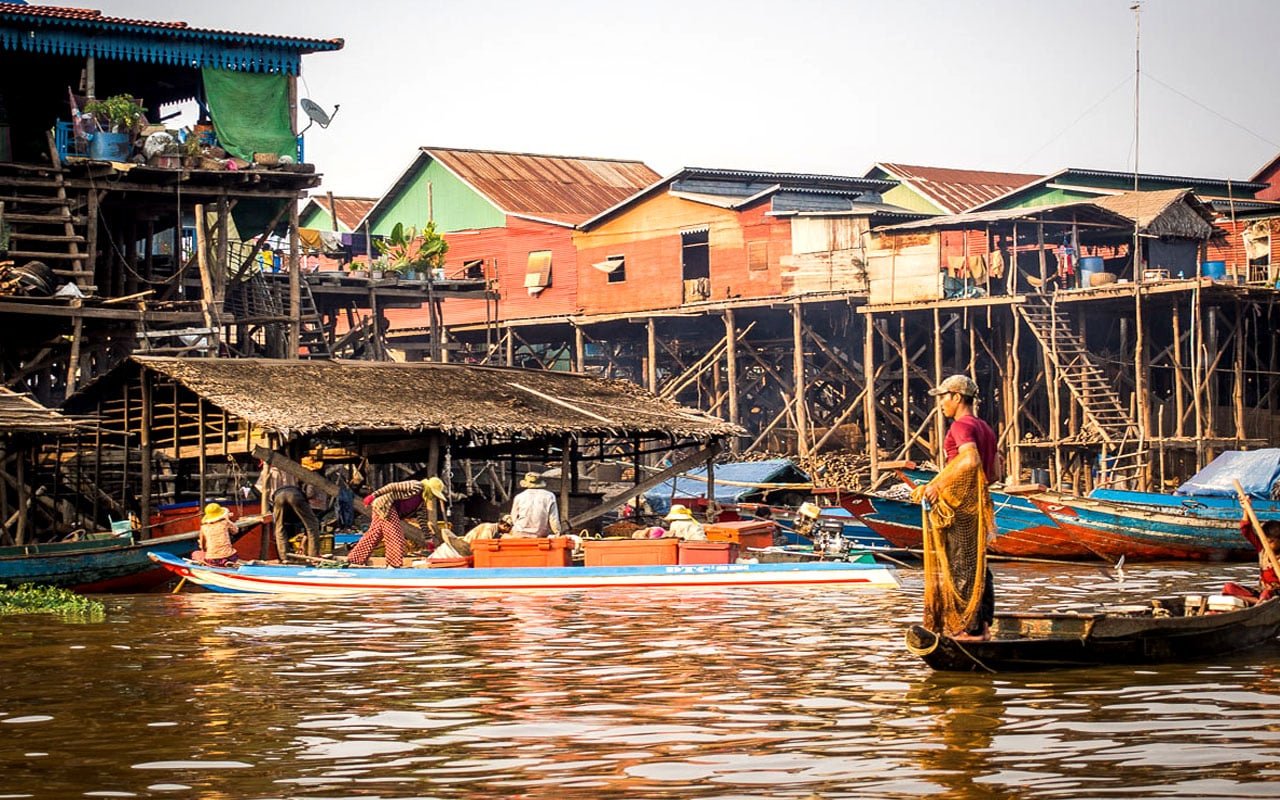
The sun barely kisses the horizon when the first boats push off from the riverbanks near Kampot, their bamboo poles and woven nets ready for another day on the water. This isn't your typical sport fishing destination with glossy brochures and predictable catches. The rivers around Kampot offer something far more authentic: a chance to fish where ancient traditions meet the thrill of landing genuine trophy species, some weighing more than a grand piano.
While tourists flock to Thailand's commercial fishing lakes or Malaysia's sailfish hotspots, Kampot remains refreshingly under the radar. The Mekong River system flowing through this region supports one of the world's most biodiverse freshwater ecosystems, home to species found nowhere else on Earth. Whether you're an experienced angler seeking the ultimate freshwater challenge or a houseguest at a riverside property looking to try something new, the fishing opportunities around Kampot deliver experiences you won't find in any guidebook.
Where Ancient Methods Still Rule the Waters
The traditional fishing techniques practiced around Kampot haven't changed much in centuries, and there's a beautiful reason why. These methods work. More importantly, they connect you to the rhythm of the river in ways modern fishing simply can't replicate.
Local fishermen use an array of traditional bamboo gear that has helped villagers ensure their livelihood for generations. The tru, a cylindrical fishing trap made from woven bamboo plates with valves on the side, expands outward at its midpoint to create a shelter where fish naturally seek refuge. These traps sit undisturbed for days, allowing fish to enter and settle before the catch is checked. The beauty of this approach lies in its patience – something our modern world could use more of.
Another fascinating traditional method is the lorb, which looks remarkably similar to the tru but features a more cylindrical design. This gear can be set vertically or horizontally in moderately flowing waterways such as small canals or flooded rice fields, and comes in various sizes with diameters measured by traditional Khmer "human hugs" – generally spanning two to three embraces around. Imagine trying to explain that measurement system to your friends back home.
The chhneang comes in multiple varieties, each adapted to specific fishing conditions. The chhneang dorng is crafted from bamboo plates with a single handle, perfect for catching small fish, crabs or water beetles in deep or flowing water. Watch a skilled local fisherman work with one of these tools and you'll witness an art form that predates most modern nations.
If you're staying at an accommodation along the river, many properties can arrange experiences with local fishing families. At our riverside location, we've seen houseguests return from these cultural exchanges absolutely transformed, their phone cameras filled with photos of techniques they never knew existed. The connection between angler and environment becomes visceral when you're working with tools made by hand from local bamboo, feeling the water's pulse through every movement.
Trophy Species That Test Your Skills and Stories
The Mekong River system doesn't do anything small. The fish here grow to sizes that make veteran anglers question their equipment choices. These aren't pond-raised specimens – they're wild warriors that have survived in one of the world's most dynamic river systems.
The Mekong giant catfish stands as the undisputed champion of freshwater fishing in Cambodia. This species can attain lengths up to 3 meters and reportedly weigh up to 350 kilograms, with the largest recorded catch in Thailand being a female measuring 2.7 meters and weighing 293 kilograms. That's not a fish – that's a swimming refrigerator with fins.
In December 2024, something remarkable happened that sent ripples through the conservation community. Six critically endangered Mekong giant catfish were caught and released within five days near Kampot's region, including two longer than 6.5 feet that weighed 264 and 288 pounds respectively. These discoveries occurred along the Tonle Sap River, a tributary of the Mekong not far from Cambodia's capital. Finding six of these giants in such a short timeframe is unprecedented, suggesting the species may have more resilience than previously feared.
But here's what makes this relevant to your fishing adventure: the captured fish were apparently migrating from their floodplain habitats near Cambodia's Tonle Sap Lake northward along the Mekong River, likely to spawning grounds in northern Cambodia, Laos or Thailand. These ancient migration routes pass right through the waters near Kampot, making this region part of one of nature's most impressive aquatic journeys.
The giant snakehead offers a completely different challenge. This species ranks among the largest in the Channidae family, capable of growing to 1.5 meters in length and weighing 20 kilograms. The species has the ability to crawl onto land and breathe air, although they can only do this in muddy or swampy areas. Land-walking fish that breathe air and fight like demons when hooked – welcome to Kampot fishing.
Several snakehead species populate these waters, each with distinct personalities. The bullseye snakehead can grow to be more than six feet long and weigh more than 60 pounds, with their meat considered a delicacy in the region. They're popular for fishing because of how aggressive they can be, with reports of these large fish eating birds, snakes, and rodents. Though their typical diet consists of fish, tadpoles, frogs and insects, landing one of these monsters provides stories that last far longer than any hotel stay.
The striped snakehead presents an interesting accessibility factor. They grow up to three feet long and live in rice fields and floodplains during the wet season, burrowing into muddy areas during the dry season. Even though they're aggressive fish, even kids can catch this plentiful species with a simple bamboo fishing rod. This makes them perfect for families staying at riverside accommodations, where young anglers can experience real fishing success without requiring professional equipment.
When the River Calls Your Name
Timing matters enormously for fishing around Kampot. The seasonal rhythms dictate not just what you'll catch, but where you'll fish and what techniques will work best.
The rainy season in Cambodia runs from April to November and represents the golden time for fishing. Around April, the water rises due to heavy rain, making fishing excellent. July and August mark the peak time to catch various catfish species as incredible water volumes overflow the banks, cross gardens, and overrun rice fields. This flooding leads worms to move up the hillsides, and fish follow the protein buffet like aquatic truffle hunters.
Cambodia's unique flood-pulse system creates dynamic conditions year-round. The Mekong River near Phnom Penh features immersive fishing opportunities where anglers explore scenic fishing spots and traditional farming islands, with the Tonle Sap floodplain creating ideal breeding grounds for fish during high-water seasons, resulting in remarkable biodiversity that ranks among Earth's top freshwater systems.
For visitors planning their trip, understanding these seasons transforms your fishing experience from merely good to genuinely exceptional. Many accommodations along the river adjust their activity offerings based on seasonal conditions. At our island location, we time our fishing recommendations to match the natural cycles, ensuring houseguests experience the river at its most productive.
The dry season from December through March offers different advantages. Water levels drop, concentrating fish in deeper pools and channels. While you might not see the volume of fish present during the wet season, the specimens you do encounter tend to be larger, established residents of the deepest holes. These are the fish that have survived multiple seasons, grown wise to most tricks, and present the ultimate challenge for skilled anglers.
The Delicate Balance Between Tradition and Tomorrow
Fishing in Cambodia carries profound cultural significance that extends far beyond recreational enjoyment. The Mekong giant catfish is called the "king of fish" in Cambodia, "buffalo fish" in Thailand and Laos, and "blubber fish" in Vietnam, appearing in 3,000-year-old cave paintings and remaining deeply woven into the region's cultural fabric. When you fish these waters, you're participating in traditions that connect directly to ancient civilizations.
The conservation story unfolding around Kampot deserves attention from every angler who values wild fisheries. Scientists estimate that total numbers of Mekong giant catfish have decreased by around 90 percent in the last decade, with some experts believing only a few hundred may survive. Major threats include infrastructure development such as dams that block migration routes and isolate populations.
Yet hope persists, particularly through community-based approaches. In Cambodia's Kampong Thom province north of Phnom Penh, a project that concluded in March 2024 enhanced traditional fishing techniques practiced for generations with innovative sustainable approaches. The project constructed and renovated water canals to enhance connectivity between fisheries and rice fields, ensuring the sustainability of aquatic refuges. These efforts resulted in significant improvements, with households hauling an average of 134 kilograms of fish annually from community fishery refuge zones – nearly a 20 percent jump from when the project began.
Local fishing communities take these conservation efforts seriously. An annual fish-catching ceremony held in eastern Cambodia allows only traditional fishing tools, with hundreds of people wielding handmade bamboo baskets and nylon nets while wading into muddy lakes. The ceremony commemorates the country's proud fishing history while raising awareness about the importance of traditional family methods in fishing.
For visitors interested in sustainable fishing practices, many properties along the river participate in or support these conservation initiatives. When you fish with traditional methods through cultural exchange programs, you directly support communities working to preserve both their heritage and the fisheries that sustain them.
Making Your Fishing Dreams Reality
Planning a fishing adventure around Kampot requires understanding both the opportunities and practicalities. The good news? The region offers options for everyone from absolute beginners to hardcore trophy hunters.
For those new to freshwater fishing or interested in cultural experiences, arranging time with local fishing families provides unmatched authenticity. Traditional fishing experiences include learning several traditional fishing techniques with local guides, often combined with visits to fishing villages along scenic drives. These aren't staged tourist shows – you're participating in real daily life, learning techniques refined over generations.
Cambodia's coastal waters stretch for 435 kilometers across four provinces including Kampot, with inland capture production from rivers and lakes supporting millions. The country's fisheries remain vital for both food security and economic development. This means fishing infrastructure exists throughout the region, from equipment rental to guided services.
Accommodations play a crucial role in successful fishing adventures. Properties situated directly on the river provide immediate access to prime fishing waters. At our island location, we maintain fishing equipment and can arrange both independent fishing sessions and guided experiences with local experts. Many houseguests discover that the best fishing happens right from the property's banks or a short canoe paddle away – no long boat journeys required.
Equipment considerations depend entirely on your fishing style. Traditional methods require only what local guides provide: bamboo poles, simple hooks, nets, and an understanding of the river's moods. For those bringing their own gear, medium to heavy freshwater tackle appropriate for large catfish and snakehead works best. Many anglers traveling through Southeast Asia invest in compact travel rods that break down for easy transport – essential when you're moving between destinations but don't want to miss fishing opportunities.
The practical reality of fishing around Kampot means adapting to local conditions. Water clarity varies dramatically by season and recent weather. Current strength changes throughout the day as tides influence the river even this far inland. Local knowledge becomes invaluable, which is why connecting with guides or asking advice from your accommodation's staff pays enormous dividends.
A Word About Catch and Release
The conservation challenges facing Mekong fisheries make catch and release practices particularly important for trophy species. Over the past 25 years, the Cambodian Fisheries Administration and researchers have tagged and released around 100 giant catfish as part of a conservation program that encourages fishermen to report catches of rare species.
When you hook into a genuine trophy – a giant catfish or massive snakehead – the decision to release it back to the river ensures these incredible fish continue their ancient patterns. Take photos, measure the beast, celebrate the achievement, then watch it swim back to the depths. These are genetic treasures whose value extends far beyond any meal or trophy mount.
For eating fish, the smaller, more abundant species provide excellent table fare without threatening populations. The striped snakehead and various smaller catfish species are plentiful and delicious. Local fishing guides can help identify which catches should return to the river and which can ethically come home for dinner.
Beyond the Fishing Line
One of Kampot's special qualities is how fishing integrates with the broader adventure. This isn't a destination where fishing exists in isolation from other experiences. The same rivers that provide fishing also connect you to pepper plantations, salt fields, and remote villages accessible only by water.
Many accommodations offer combination experiences. Spend your morning fishing traditional methods with a local family, your afternoon touring a famous pepper plantation, and your evening enjoying a river cruise at sunset. The Kampot experience wraps fishing into a larger tapestry of authentic Cambodian life.
For families or mixed groups where not everyone obsesses over fishing, this integration matters enormously. One person can fish while others explore the property, swim, or participate in different activities. Activities commonly include table tennis, archery, canoeing, and cultural tours, with fishing being one component of a comprehensive river experience.
The social aspect of fishing here deserves mention too. River communities in Kampot maintain a friendly, welcoming atmosphere toward visitors genuinely interested in their way of life. Show respect for traditional methods, express curiosity about their techniques, and you'll find yourself welcomed into conversations and experiences that transcend typical tourist interactions. Some of the best fishing stories aren't about the fish caught but about the people met along the riverbank.
What Sets Kampot Apart From Commercial Fishing Lakes
Thailand and Malaysia have developed extensive commercial fishing operations specifically targeting tourists. These venues stock imported fish, charge by the kilogram caught, and deliver predictable experiences with minimal surprises. They serve a purpose, particularly for beginners wanting guaranteed catches.
Kampot offers the opposite approach. The fishing here is genuinely wild, connected to natural systems that have sustained communities for millennia. You're not catching farm-raised fish released last month – you're matching wits with fish whose ancestors swam these waters when Angkor Wat was being built.
Cambodia offers a unique freshwater fishing experience centered around the legendary Tonle Sap Lake and the mighty Mekong River. As Asia's largest freshwater body, Tonle Sap is globally recognized as one of the world's most productive fisheries, providing over 75 percent of Cambodia's inland fish catch. This biodiverse ecosystem creates fishing opportunities impossible to replicate in artificial settings.
The trade-off for this authenticity? Less predictability. Some days the fish bite aggressively. Other days they ignore everything you offer. Weather influences behavior, as do seasonal migrations, water clarity, and factors we still don't fully understand. This unpredictability isn't a bug – it's the feature that makes success meaningful.
For anglers tired of pay-to-play experiences where outcomes feel manufactured, Kampot provides the real thing. Success requires reading the water, understanding fish behavior, adapting techniques to conditions, and sometimes just getting lucky. When it all comes together and you land a genuine trophy from wild water, the satisfaction runs deeper than any commercial lake can provide.
The Kampot Fishing Community
Perhaps Kampot's greatest asset isn't the fish or techniques but the people who make fishing here possible. The local fishing community maintains knowledge passed down through generations, refined by countless seasons on the water.
Community empowerment through detailed action plans and enhanced local business acumen has fostered a sense of ownership and responsibility among communities. Training sessions for committee members and local authorities ensure they're equipped to sustain conservation gains independently. This investment in local expertise means visitors benefit from guides who genuinely understand these waters.
Many river properties employ staff from fishing families or maintain close relationships with nearby villages. This connection provides guests with authentic experiences while supporting local livelihoods through tourism. It's a sustainable model that benefits everyone – visitors get genuine cultural immersion, local communities gain income from their traditional knowledge, and fisheries benefit from increased conservation awareness.
The respect these communities show toward their rivers and fish populations should inspire every visiting angler. Despite fishing being central to their food security and income, they maintain traditional practices that prioritize long-term sustainability over short-term gains. Learning from their approach can transform how you think about fishing anywhere in the world.
Planning Your Kampot Fishing Adventure
Ready to trade predictable for authentic? Here's what you need to know about making your fishing adventure in Kampot a reality.
Timing your visit around fishing goals means understanding the seasonal patterns discussed earlier. April through November delivers the most action, particularly July and August for catfish enthusiasts. December through March offers trophy hunting in deeper pools with less competition for spots. Every season has its advantages.
Accommodation choices significantly impact your fishing experience. Properties located directly on river channels or tributaries provide immediate water access. Island locations offer particular advantages – isolation from crowds, pristine water quality, and fish populations less pressured by constant angling activity. At our property, houseguests can literally roll out of bed and be fishing within minutes, maximizing water time without logistics hassle.
Budget considerations vary widely depending on how you approach fishing here. Arranging experiences through local communities can be surprisingly affordable, particularly when compared to commercial fishing operations elsewhere. Guided trips with established operations cost more but include equipment, expertise, and often transportation. Many river accommodations offer competitive rates for fishing activities, especially for multiple-day stays.
Physical requirements remain minimal for most Kampot fishing experiences. Traditional methods don't require casting prowess or fighting massive fish for hours. Even the trophy species, while providing spirited fights, don't demand extreme fitness. That said, expect hot conditions, humidity, and sun exposure. Staying at an accommodation with pool access provides welcome relief between fishing sessions.
Creating Your Own River Story
Every angler who fishes around Kampot takes home something different. Some return with photos of genuine trophy catches that make their fishing buddies genuinely jealous. Others treasure memories of learning traditional techniques from families who've fished these waters for generations. Many discover that the fishing itself becomes secondary to the complete experience of living beside this remarkable river system.
The Mekong River and its tributaries around Kampot don't hand out easy victories. The fish have earned their survival in an ecosystem where only the strongest, smartest, and luckiest reach trophy size. When you finally connect with one of these remarkable creatures, you've participated in something far more significant than simple recreation. You've touched a piece of living history, fought a worthy opponent on its home territory, and experienced wild water in ways increasingly rare in our modern world.
Whether you're staying for a night or a week, whether you're an expert angler or picking up a fishing rod for the first time, the waters around Kampot offer possibilities limited only by your willingness to try something genuinely different. Commercial fishing lakes will still exist tomorrow. But how many chances will you have to fish where traditions stretch back centuries, where trophy species swim wild, and where the river still dictates rhythms rather than human convenience?
The boats push off early here for good reason. The fish feed when they feed, the traditional methods work best at specific times, and the river rewards those who meet it on its own terms. Your fishing adventure in Kampot won't look like anywhere else you've cast a line. That's precisely the point.
Cast Your Line with Us
At Queen Island, we've positioned ourselves at the intersection of authentic river life and comfortable accommodation. Our location on the scenic Stung Sangke River near Kampot places you directly in the heart of these remarkable fishing waters, with complimentary fishing equipment and canoes ready whenever the river calls your name.
We've watched houseguests arrive with no fishing experience and leave having learned traditional techniques from local families. We've celebrated alongside seasoned anglers who finally hooked into the snakehead or catfish they've pursued across Southeast Asia. Whether fishing becomes your primary focus or just one element of a broader river adventure, our island home provides the perfect base for your Kampot fishing story.
Ready to trade predictable tourist experiences for genuine river adventures? Explore our availability and start planning your Kampot fishing escape. The river's waiting, the fish are swimming their ancient patterns, and your story is about to begin.
