
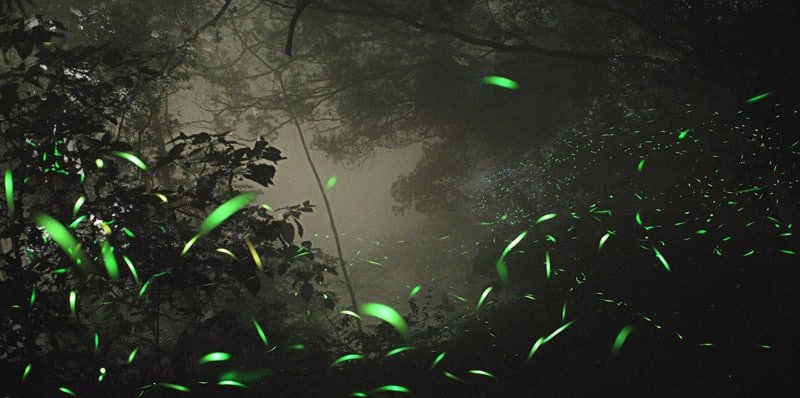
There's something genuinely enchanting about watching thousands of tiny insects transform the night into a living constellation. Firefly watching has become one of the most unforgettable experiences in the region—a magical adventure that combines natural wonder with the relaxed charm of river travel. Whether you're seeking a romantic evening, a family adventure, or simply a break from typical tourist activities, a firefly tour on Kampot's rivers delivers an experience that stays with you long after you return home.
Why Kampot Became the Firefly Capital of Cambodia
Kampot's reputation for firefly watching didn't develop overnight. The town's unique geography—characterized by the Praek Tuek Chhu River (locally known as Kampong Bay River) winding through lush mangrove forests and rural landscapes—creates perfect conditions for these bioluminescent beetles. The mangrove ecosystem provides the ideal habitat where fireflies breed, feed, and perform their mesmerizing light displays. Unlike busier tourist destinations where firefly viewing has become commercialized and scripted, Kampot offers something more authentic: genuine encounters with nature in its most spectacular form.
The river's northern reaches particularly stand out, with certain stretches developing a reputation among tour operators as "firefly zones." Yet these locations remain relatively untouched, without the massive crowds that swarm similar experiences in Malaysia or other Southeast Asian hotspots. It's this balance between accessibility and authenticity that makes Kampot special.
Understanding the Magic: What Are Fireflies Really Doing?
Fireflies are fascinating creatures far more complex than casual observers might assume. These beetles belong to the Lampyridae family and produce light through bioluminescence—a chemical reaction that transforms energy into visible light with remarkable efficiency. Male fireflies create their distinctive flashing patterns as courtship signals, essentially broadcasting "looking for a mate" to females hidden in the vegetation. Each species produces a unique pattern and color, ranging from soft amber to vibrant yellow-green.
During a Kampot firefly tour, what visitors witness is essentially nature's most elaborate dating ritual. When thousands of fireflies synchronize their displays or create competing light shows across mangrove trees, the visual effect resembles "sparkling Christmas trees" magically decorated by nature itself. The phenomenon isn't just beautiful—it represents one of the most efficient communication systems in the animal kingdom, perfected over millions of years of evolution.
Timing Your Perfect Firefly Adventure
Firefly watching in Kampot isn't a random experience—success depends significantly on understanding the seasonal patterns and lunar cycles. The dry season from November through February offers the most consistent viewing conditions, with clear skies and minimal cloud cover maximizing visibility. December and January rank as particularly excellent months, with cool, dry weather and reliable firefly activity.
However, timing extends beyond choosing the right month. The lunar cycle dramatically impacts firefly visibility. New moon periods—when darkness dominates the night sky—provide optimal viewing conditions. The fireflies' bioluminescence faces competition from moonlight; when the moon is full or nearly full, its reflected light can wash out the beetles' delicate glow, making them nearly invisible. Local guides understand this intimately and actively factor it into tour recommendations.
Tour operators typically depart between 5:00 PM and 6:00 PM, timing the journey to coincide with sunset views and positioning boats perfectly as darkness falls. This evening window—roughly lasting one to three hours depending on the tour operator—captures both the sunset's golden hour and the fireflies' most active period just after dusk.
The Classic River Experience: What to Expect on a Firefly Cruise
A typical firefly tour begins at one of Kampot's riverside docks, where traditional wooden boats equipped with small motors wait for passengers. The boats remain deliberately small and intimate—usually accommodating between five and thirty people—creating an atmosphere that encourages conversation and shared wonder rather than mass tourism.
As the boat pushes upstream, the tour follows a well-established route that usually passes under historic railway and highway bridges, travels through increasingly rural scenery, and eventually reaches designated firefly zones where mangrove trees flourish along the riverbanks. Throughout this journey, the landscape transitions from the town's developed areas to pristine natural environments where rural Cambodia still dominates.
The magic truly unfolds during the return journey downstream. As darkness deepens and the boat slows to a gentle pace, guides point out specific trees and vegetation where fireflies congregate. The insects begin their displays—individual flashes that gradually build into coordinated light shows. From certain vantage points, tree branches appear to twinkle with suspended stars, creating surreal natural artistry that photographs struggle to capture adequately.
Beyond the Standard Tour: Premium Experiences and Private Options
While standard group tours operate at remarkably affordable prices (typically $4-5 per person including complimentary drinks), Kampot's tourism infrastructure has evolved to offer more specialized experiences for travelers seeking something distinctive.
Private boat rentals represent one popular alternative, particularly appealing to couples, small families, or groups desiring exclusivity. These customizable experiences allow flexible timing, extended viewing periods, and the ability to venture into less-traveled river sections where other boats rarely travel. Boat operators can design routes based on specific interests—perhaps incorporating stops for photography, extended sunset viewing, or even combining firefly watching with other river activities.
Premium sunset cruises that combine dinner services, wine pairings, or high-quality refreshments represent another emerging option. These elevated experiences attract travelers willing to invest more for enhanced comfort and amenities while maintaining the essential firefly-watching experience.
Some tour operators now offer combination packages that integrate firefly tours with complementary activities—perhaps pairing an evening river cruise with a morning adventure through the Green Cathedral (a tunnel-like kayaking route surrounded by overhanging vegetation), visiting local pepper plantations, or exploring nearby Elephant Cave. These multi-activity approaches appeal particularly to travelers spending several days in Kampot and wanting diverse experiences.
Practical Considerations: Planning Your Firefly Tour
Booking a firefly tour requires minimal advance planning, though understanding logistics ensures smooth execution. Most guesthouses and hotels in Kampot handle tour reservations, typically requiring only a few hours' notice. Alternatively, visitors can walk directly to riverside docks where boat operators and vendors coordinate tours throughout the day.
Dress appropriately for evening river conditions. The boat ride means exposure to river breezes that cool the air considerably as the sun sets. Lightweight long sleeves and lightweight pants protect against mosquitoes common in mangrove environments. A light jacket provides comfort during the cooler evening hours. Bring sunscreen for the initial sunset portion of the tour, though the evening sections occur after dark.
Photography enthusiasts should manage expectations realistically. While firefly displays appear magical to the naked eye, capturing their glow on camera presents technical challenges. Standard smartphone cameras struggle with low-light photography. Dedicated cameras with manual settings, tripods, or professional equipment yield better results. Many visitors choose simply to enjoy the experience with their eyes rather than viewing it through a camera lens.
Accessibility for mobility-challenged individuals varies by specific boat and operator. The boats involve stepping up from dock level and navigating boat surfaces. Discuss specific accessibility needs with operators before booking to ensure appropriate accommodation.
The Sustainable Side: Fireflies Under Pressure
The magical firefly phenomenon in Kampot exists against a broader context of environmental concern. Globally, firefly populations face unprecedented pressure from light pollution, habitat destruction, pesticide use, and climate change. Certain firefly species have moved from common sightings to threatened status in recent decades.
Kampot's firefly tourism, when conducted responsibly, actually represents one mechanism for conservation. Tours that emphasize ecological education, limit group sizes to minimize disturbance, and use low-impact vessels contribute to habitat preservation. The economic value generated through firefly tourism creates incentives for local communities to protect mangrove ecosystems rather than converting them to alternative land uses.
Responsible tour operators recognize this dynamic, implementing light-limiting practices (keeping boat lights minimal to avoid disrupting firefly behavior), maintaining careful boat speeds to prevent noise pollution, and educating passengers about firefly ecology. Choosing operators who demonstrate environmental stewardship ensures your firefly experience supports long-term conservation.
Related Adventures: Expanding Your Kampot River Experience
Firefly watching opens the door to discovering additional river-based activities that reveal different dimensions of Kampot's aquatic ecosystems. Early morning boat tours frequently spot seahorses in shallow waters—delicate creatures that dance gracefully through seagrass beds. These gentle animals inspire the same sense of wonder as evening fireflies, though operating under completely different ecological rules.
Kayaking through the Green Cathedral—a stunning natural tunnel created by overhanging mangrove trees—provides intimate exploration of the river environment. Paddling through filtered sunlight with fresh air and birdsong creates meditative moments distinctly different from motorized boat experiences. This activity particularly appeals to travelers seeking active participation rather than passive observation.
Bird watching from the river rewards patient observers with sightings of species ranging from common kingfishers to the striking blue-bearded bee-eater and occasionally great hornbills. Combining firefly tours with bird-watching excursions provides comprehensive exposure to Kampot's wildlife diversity.
Planning Your Kampot Visit: Putting It All Together
Kampot's river experiences—particularly firefly watching—form just one component of a well-rounded visit to this charming southern Cambodia destination. The town itself possesses character, with French colonial architecture, riverside restaurants, and a relaxed atmosphere that encourages lingering.
A typical Kampot itinerary might encompass three to four days, allowing time for firefly tours (ideally two trips on nights with minimal moonlight), daytime activities like pepper plantation visits or kayaking adventures, exploration of nearby Kep beach town, and simply soaking in the riverside atmosphere. The region's famous Kampot pepper—arguably the world's finest—features prominently in local cuisine, making culinary experiences integral to understanding the region's culture and economy.
Transportation to Kampot from Phnom Penh or Sihanoukville remains straightforward through minibus services or private drivers. Accommodation ranges from budget guesthouses (particularly appealing for the social atmosphere and tour-booking convenience) to mid-range hotels and boutique resorts offering more upscale experiences.
Beyond Kampot: Firefly Watching in Perspective
While Kampot's firefly tours represent exceptional value and genuinely magical experiences, they exist within a broader context of Southeast Asian firefly-watching opportunities. Malaysia's Kuala Selangor and Kota Kinabalu attract massive tourist numbers with firefly colonies sometimes reaching thousands per tree. Puerto Princesa in the Philippines offers similar spectacles in its Iwahig River mangrove systems.
Kampot's advantage lies precisely in what might initially seem like a limitation: smaller firefly populations mean fewer crowds, more intimate experiences, and an atmosphere that remains predominantly authentic rather than tourism-focused. You won't see millions of synchronized fireflies creating overwhelming light shows, but you will witness genuine natural phenomena undisturbed by massive tourist infrastructure.
Your Magical Campot River Evening Awaits
The allure of firefly watching ultimately transcends practical considerations and logistical details. There's something profoundly moving about witnessing thousands of tiny creatures performing ancient courtship rituals, their bioluminescent displays creating natural artistry that technology and human engineering struggle to replicate. In Kampot's rivers, this magic remains accessible, affordable, and genuinely transformative.
A firefly tour represents far more than checking off another activity from a travel itinerary. It's an encounter with nature at its most spectacular, a moment of connection with the living world, and a memory that lingers long after you've left Cambodia's shores.
Book your firefly adventure today and discover why travelers consistently describe these evenings as among their most unforgettable travel experiences. Whether traveling solo, with a loved one, or with family, Kampot's firefly tours promise an evening of pure enchantment under the stars, where nature's smallest creatures create the most extraordinary light show you'll ever witness. Your magical evening on Kampot's rivers awaits—don't miss the chance to experience this extraordinary natural phenomenon firsthand.
