
Discover why Kampot has become Southeast Asia's premier destination for experiencing the controversial yet captivating world of durian. Learn how to navigate farm visits, understand durian varieties, and make the most of durian season in Cambodia's most agriculturally rich province.
The Legendary King of Fruits Finds Its Kingdom in Kampot
When visitors first encounter the durian—a spiky, imposing fruit that looks like it belongs in a medieval weapon collection rather than a fruit bowl—their reactions tend to be extreme. For some, it represents an acquired taste worth pursuing; for others, it's an acquired smell best avoided. Yet in Kampot, this peculiar fruit has transformed the entire region into one of Asia's most intriguing agritourism destinations. The province has embraced its role as Cambodia's durian heartland so fully that a massive durian sculpture now dominates the central roundabout, welcoming travelers with an undeniable agricultural pride.
Kampot's durian isn't just another tropical curiosity. Locals and connoisseurs across Southeast Asia consider it some of the finest available, often commanding prices twice as high as Thai varieties. This reputation stems from a combination of ideal tropical climate, fertile volcanic soils, and generations of cultivation expertise. The durian industry here has deep roots—quite literally—with orchards stretching across more than 11,000 hectares throughout the province. For adventurous travelers and food enthusiasts, Kampot offers an unprecedented opportunity to immerse themselves in durian culture while experiencing authentic agricultural tourism at its finest.
When Durian Season Transforms Kampot into a Fruity Paradise
Timing your visit to Kampot is crucial if you're serious about experiencing genuine durian tourism. The province's durian season peaks from May through July, with some sources indicating that January and February represent an alternative peak during the dry season. This seasonal variation occurs because Kampot experiences a tropical climate with distinct wet and dry periods, each creating different ripening conditions for various durian varieties.
During peak season, the entire region pulses with energy. Farm gates open wider, farmers bring their most prized specimens to market, and street vendors arrange their durians in artistic pyramids along roadside stalls. The atmosphere becomes almost festive—locals celebrate the abundance, and visitors join in the experience of tasting multiple varieties throughout a single day. If you arrive during April and May, you'll catch the fruit at its sweetest, with peak ripeness and optimal flavor profiles. The months of November to February offer an alternative visiting window during Cambodia's comfortable dry season, though durians available during winter months may be imported rather than locally grown.
For those unable to visit during peak season, December through April remains viable. The weather is pleasant for exploration, and while selection may be more limited, dedicated farms continue harvesting available varieties. The real trade-off involves missing the frenzy and abundance of the main season versus enjoying smaller crowds and more personalized farm experiences.
Exploring Kampot's Durian Farms: From Observation to Hands-On Experience
Visiting a Kampot durian farm represents far more than purchasing fruit from a roadside stall. These agricultural operations range from small family enterprises to larger commercial holdings, yet most welcome visitors interested in understanding durian cultivation. The experience typically begins with a guided tour through the orchards, where knowledgeable farmers explain the intricacies of durian tree care.
Durian trees require specific conditions that shape farm layouts dramatically. Each tree needs eight to ten meters of space from its neighbors, meaning durian farms sprawl across considerable land areas. Farmers manage soil fertility through organic methods—incorporating composted fruit waste, bat guano, and cow manure as fertilizers. This dedication to soil health directly correlates with fruit quality, explaining why Kampot durians develop such distinctive sweetness and creamy texture. Visitors often observe working harvests during peak season, witnessing how experienced pickers identify ripe fruit by subtle visual and tactile cues, then carefully extract durians before they fall naturally from the canopy.
Many farms have diversified their operations to include complementary experiences. Visitors frequently encounter ancient mangosteen trees—some over a century old—growing alongside durians. Some locations offer freshly prepared meals featuring local specialties, creating farm-to-table dining experiences that incorporate regional culinary traditions. The best farms provide rustic outdoor settings near rivers or scenic overlooks, allowing visitors to taste freshly harvested durians in natural settings where the fruit seems to taste even more vibrant.
Several kilometers from Kampot's central town, the Teuk Chheu rapids corridor has become particularly popular, with multiple durian plantations lining both sides of the road. This concentration of farms allows travelers to compare offerings, meet different farming families, and accumulate durian knowledge throughout a single day. Prices typically range around five dollars per kilogram during season, though premium varieties command significantly higher prices. The quality-to-cost ratio remains exceptional compared to durian available in international markets or through export channels.
Understanding Kampot's Durian Varieties: A Flavor Journey
Kampot produces several distinctive durian varieties, each with unique taste profiles and characteristics. Understanding these varieties transforms a casual tasting into an educated exploration of durian diversity. The two most celebrated Cambodian types include Man Tong, recognized for its robust flavor and creamy texture that appeals to experienced durian enthusiasts, and Jouhot, appreciated by those seeking a balance between sweetness and subtle bitterness.
These local varieties share characteristics with their Thai and Malaysian cousins while developing distinctive qualities from Kampot's specific terroir. The tropical climate, altitude, and soil composition all influence how compounds develop within the fruit. Man Tong durians tend toward deeper, more complex flavors with pronounced sweetness, while Jouhot varieties offer more nuanced profiles with interesting bitter undertones that complement the natural sweetness.
For first-time visitors or those with more delicate palates, certain characteristics should guide selection. Milder varieties tend to have less intense aromas despite maintaining complex flavors. Medium-intensity options provide a middle ground where visitors can appreciate durian's creamy custard-like texture without becoming overwhelmed by the famous pungency. More adventurous tasters often gravitate toward varieties with pronounced bitter notes, which actually contain less strongly developed aromas but deliver more dramatic taste experiences.
The creamy texture common to quality Kampot durians deserves particular mention. Rather than the juicy consistency of most fruits, durian flesh approximates the texture of baked pumpkin or soft cream cheese. This unexpected consistency surprises many first-time tasters, who arrive expecting something more similar to tropical fruits like mango or papaya. Experienced tasters appreciate how this creamy foundation serves as a canvas for subtle flavor notes—hints of caramel, whispers of almond, occasional nutty undertones, and even suggestions of garlic or onion in certain varieties.
The Nutritional Powerhouse Hidden Behind Controversial Smell
Understanding durian's impressive nutritional profile helps explain why Southeast Asians have cherished this fruit for centuries, regardless of its distinctive aroma. A single serving of durian provides substantial carbohydrates, offering a quick energy boost valued by agricultural workers and laborers. One hundred grams of durian delivers approximately 174 kilocalories of energy alongside 27 grams of carbohydrate, 5.3 grams of fat, and 3.8 grams of dietary fiber.
The micronutrient composition extends beyond basic energy provision. Durian stands out as an exceptional source of B vitamins, particularly thiamine and folate, which support metabolic health and cognitive function. Potassium content reaches impressive levels, contributing to cardiovascular health and blood pressure regulation. The fruit also delivers significant quantities of vitamin C—an antioxidant that supports immune function—along with copper, magnesium, manganese, and phosphorus.
Perhaps most intriguingly, durian contains sulfur-containing compounds—thioacetals, thioesters, and thiolanes—similar to those found in garlic and onion. These compounds generate durian's famous smell while also conferring potential health benefits. Research suggests these compounds possess antimicrobial and anti-inflammatory properties. Durian's antioxidant profile, including flavonoids, carotenoids, and polyphenols, supports the body's defense against oxidative stress and may contribute to disease prevention.
The dietary fiber in durian supports digestive health by promoting healthy bowel function and feeding beneficial gut bacteria. High-quality sources from regions like Kampot, where minimal pesticide use is common, provide these nutrients without concerning chemical residues. Visitors experiencing durian for the first time often appreciate learning that despite its reputation, the fruit represents genuine nutritional wealth—a gift from nature's agricultural systems that indigenous populations understood long before modern nutrition science validated their wisdom.
The Durian Roundabout: Kampot's Quirky Monument to Agricultural Pride
Standing at the heart of Kampot town, the Durian Roundabout serves as both functional traffic circle and cultural landmark. Completed in 2016, this distinctive sculpture was created by local artist Sereyvath Nhean, who drew inspiration from traditional Khmer architecture and the symbolic importance of durian within Cambodian culture. The roundabout measures approximately fifteen meters in diameter and features intricate carvings combined with vibrant murals, creating a visually striking tribute to the region's most famous fruit.
Beyond its primary function of managing traffic flow, the Durian Roundabout functions as an essential gathering point and photography location. The monument depicts not only a giant durian but also complementary fruits—pineapples, rambutans, and longans—reflecting Kampot's diverse agricultural heritage. This artistic choice acknowledges that while durian dominates attention, the region produces numerous tropical fruits valued throughout Cambodia and beyond.
The roundabout's cultural significance deepens when understanding the historical context. Kampot's durian industry peaked during Cambodia's pre-war period, flourishing until the 1970s when orchards were devastated during political turmoil. The Khmer Rouge destroyed agricultural infrastructure across the country, and Kampot's durian farms suffered particularly severe losses. The durian sculpture thus represents more than agricultural pride—it symbolizes recovery, resilience, and the province's determination to reclaim its heritage. Locals and visitors alike understand the roundabout as representing hope that traditions and livelihoods can be reconstructed.
Today, the area surrounding the Durian Roundabout bustles with activity. Nearby cafes serve local cuisine, small shops sell durian-related products and souvenirs, and street vendors arrange their finest fruits for display. The roundabout itself has become an obligatory photo stop for visitors, much like other provincial landmarks throughout Cambodia. The surrounding streets offer authentic glimpses into daily Kampot life, with locals navigating the roundabout on motorbikes while tourists capture memorable images with the distinctive sculpture.
First-Time Durian Tasting: Preparing Your Palate for an Unforgettable Experience
Successfully approaching durian for the first time requires psychological preparation and informed expectations. The most critical mindset shift involves recognizing that durian operates outside familiar fruit categories. Western fruits typically offer juicy, acidic, and sweetness-dominant flavor profiles. Durian abandons these conventions entirely, delivering instead a complex convergence of savory, sweet, creamy, and occasionally bitter notes simultaneously.
Imagine flavors most commonly encountered in aged cheese, butterscotch pudding, caramelized onions, or even raw garlic—durian somehow incorporates hints of these seemingly contradictory elements into a single cohesive experience. This complexity explains why durian functions as an acquired taste. Rather than delivering immediate gratification like strawberries or peaches, durian demands engagement with subtle flavor layers. Consider approaching it similarly to first encounters with wine, blue cheese, or other foods requiring palate education.
Practical preparation enhances the experience significantly. Choose mild varieties if approaching durian for the first time—gentler options allow you to appreciate the fundamental texture and develop tolerance for the aroma without becoming overwhelmed. Request guidance from farm staff or knowledgeable vendors about variety characteristics. Many experienced Kampot farmers possess genuine passion for helping visitors find their perfect introduction to durian.
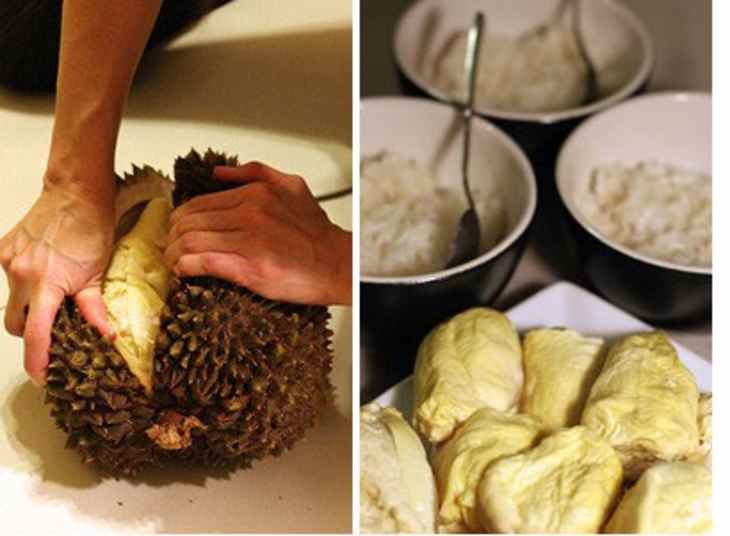
Opening a durian requires technique and respect for the fruit's formidable spikes. If possible, allow farm staff to handle this process, as their deft knife work prevents injury while preserving the fruit's integrity. The fruit naturally divides into compartments; skilled openers make shallow cuts along the natural seams and then separate sections carefully. Never use bare hands—even experienced handlers often wear gloves or use tools. Once opened, the pale to deep yellow flesh becomes visible inside compartments, each containing the creamy aril surrounding a large seed.
Consume durian in a peaceful, comfortable setting where you can focus on the experience without distractions. Take small quantities initially, allowing the flesh to rest briefly on your tongue before chewing. Notice how flavors develop gradually as warmth brings out subtle aromatic compounds. The texture—that distinctive custard-like creaminess—often impresses new tasters more than the flavor. Avoid drinking alcohol simultaneously, as durian contains chemical compounds that inhibit the body's ability to metabolize alcohol effectively.
If fresh durian feels too challenging, consider alternative introduction methods. Durian-flavored ice cream provides a gentler experience, as the cold sweetness of the frozen dessert moderates durian's intensity. Durian smoothies, blended with banana and coconut milk, offer another approachable option. Even frozen durian from supermarkets delivers diminished aroma while preserving fundamental flavor characteristics. These intermediate experiences sometimes convert skeptics into genuine enthusiasts.
Beyond Fresh Fruit: Kampot's Durian-Inspired Culinary Scene
While fresh durian represents the authentic centerpiece of Kampot's durian culture, the region has developed creative culinary applications that expand the fruit's appeal. Local cafes and restaurants incorporate durian into surprising dishes, transforming it from standalone luxury into ingredient status. Durian sticky rice with coconut milk—a traditional Southeast Asian dessert—becomes transcendent when prepared with premium Kampot durians, the fruit's creamy flesh melting into the soft rice while coconut milk adds complementary richness.
Durian ice cream has emerged as the gateway dessert for hesitant tasters. The frozen format reduces aroma intensity while the sugar and cream moderate the fruit's more challenging characteristics. Quality durian ice cream captures genuine fruit flavor without the overwhelming pungency, making it an excellent compromise for those unwilling to commit to fresh fruit consumption. Kampot's cafes and dessert shops increasingly feature durian ice cream prominently during season, with many establishments offering rotating daily specials.
More adventurous applications include durian chips—thinly sliced fresh fruit that's slowly dried to intensify sweetness while creating a crispy texture. This preservation method creates portable durian souvenirs suitable for travelers wanting to share Kampot's flavors with distant friends. Some farms also prepare durian paste, suitable for spreading on bread or incorporating into baked goods. These value-added products represent relatively new market developments as farm families seek revenue diversification and opportunities to extend durian's seasonal abundance throughout the year.
The incorporation of durian into mainstream restaurant menus, once unthinkable, now reflects durian's growing acceptance among younger and more adventurous diners. Some establishments experiment with durian in savory applications—durian-infused curry pastes, durian additions to soup broths, or durian components in complex sauces. While traditional applications remain dominant, these experimental dishes indicate how durian tourism stimulates broader culinary innovation within Kampot's food community.
Practical Information for Planning Your Durian Adventure
Successful durian tourism requires minimal logistical complexity but benefits from thoughtful planning. Most durian farms cluster along roads extending from central Kampot toward the Teuk Chheu rapids area, typically positioning themselves within a ten to thirty-minute drive from town center. Renting motorbikes provides excellent flexibility for visiting multiple farms independently; taxis or private drivers offer comfortable alternatives if you prefer guided assistance.
Farm gates typically open early morning—around six or seven o'clock—with peak activity occurring through late morning before afternoon heat intensifies. Many farms operate informally, lacking posted hours, though established operations maintaining visitor amenities generally remain accessible throughout daylight hours. Bringing minimal cash proves essential, as most small farms operate without card-reading technology. Five to ten dollars per kilogram represents typical pricing for quality durian during season, though premium varieties command higher rates. Some farms offer pre-packaged selections; others provide freshly harvested fruits from their current harvest.
Dress practically for farm visits. Lightweight, breathable clothing suits tropical heat. Wear enclosed shoes suitable for uneven terrain rather than sandals, as durian spikes demand respect and farm grounds may include various obstacles. Bring sunscreen, hat, and plenty of water—the tropical sun intensifies during mid-day, and farms typically provide minimal shade except beneath fruit tree canopies. Cameras and phones deserve protection from moisture in tropical environments; consider waterproof cases if you anticipate heavy humidity or unexpected rain.
Purchasing fresh durians requires consideration of transportation and consumption logistics. A whole durian may seem reasonable initially but occupies considerable space and demands careful handling to prevent spoilage. If planning to consume within hours, freshly harvested fruit perfectly serves this purpose. If hoping to preserve durian for future enjoyment or transportation, requesting pre-cut segments that can be sealed in containers protects both quality and prevents the notorious aroma from permeating vehicle interiors or accommodation spaces.
Language presents minimal barriers. Most farm staff working with tourists speak sufficient English to facilitate basic communication, though learning a few Khmer phrases—particularly "durian" (ដូរៀន—do-ree-ahn) and "thank you" (សូមស្វាគមន៍—awe-kuhn)—enriches interactions and demonstrates respect for local culture. Younger family members often speak English fluently and genuinely enjoy sharing knowledge about their family operations.
Integrating Durian Tourism with Kampot's Broader Agritourism Scene
Kampot's agricultural tourism extends far beyond durian, creating opportunities to combine fruit experiences with other regional attractions. The renowned La Plantation, an organic pepper farm, operates professionally developed tours showcasing Kampot's other famous agricultural product. Visitors can explore pepper cultivation across multiple varieties (black, red, and white), participate in tasting sessions, enjoy the spice bar serving pepper-infused ice cream and specialty beverages, and shop for premium peppers to take home. The farm's villa accommodations allow multi-day immersion experiences combining durian farm visits with pepper plantation exploration.
Kampot's landscape features limestone hills, caves, and scenic waterways alongside agricultural lands. Visitors combining durian tourism with broader regional exploration might include Bokor National Park excursions, kayaking or paddleboarding along the Kampot River, visits to coastal Kep Beach just thirty minutes away, or exploration of Phnom Chhngok Cave with its ancient Buddhist shrine and archaeological significance. This flexibility allows customizing visits according to personal interests—some travelers dedicate themselves entirely to agricultural experiences, while others integrate farm visits within broader regional sightseeing.
The Kampot River itself offers evening experiences quite distinct from daytime farm adventures. Tourist boats decorated with neon lights cruise during sunset hours, creating surreal violet-pink atmospheric conditions while introducing travelers to local leisure culture. The central Kampot Night Market combines with this riverside activity, offering opportunities to purchase freshly harvested durians, sample street food, browse local products, and experience authentic after-dark provincial commerce. This juxtaposition—from peaceful daytime farm visits to vibrant evening market activity—encapsulates Kampot's unique character.
Making Your Durian Dream a Reality
Kampot represents nothing less than the epicenter of durian tourism in Cambodia and increasingly throughout Southeast Asia. The combination of superior fruit quality, welcoming farm communities, cultural significance, and broader regional attractions creates an unparalleled experience for travelers seeking authentic agricultural immersion. Whether you arrive as a confirmed durian devotee hoping to taste the finest specimens available or as a curious skeptic testing whether this legendary fruit deserves its passionate following, Kampot delivers unforgettable experiences.
The journey to understanding and appreciating durian begins with releasing preconceptions and embracing the unexpected. Yes, the smell proves challenging for many. Yes, the texture surprises visitors accustomed to conventional fruits. Yes, the flavors present complexity requiring palate adjustment. Yet precisely these characteristics transform durian from mere fruit into something transcendent—a culinary adventure that engages all senses while connecting visitors to agricultural traditions spanning centuries and to communities sustaining these traditions today.
Plan your visit during durian season, arrange farm accommodations through experienced local operators, and commit to a genuine tasting journey guided by farmers who understand their fruit intimately. Taste multiple varieties throughout your visit, notice how each offers distinct characteristics, and remain open to discovering personal favorites. Bring water, bring patience, bring an adventurous spirit, and prepare for the possibility that durian might transform from polarizing oddity into genuine passion.
The King of Fruits awaits in Kampot, ready to reveal itself to travelers bold enough to venture beyond familiar flavors into agricultural authenticity that defines Southeast Asian culture.
Ready to experience the legendary durian farms of Kampot? Reserve your agritourism adventure today and discover why thousands of travelers return annually to taste the world's most controversial—and celebrated—tropical fruit. Connect with established farm operators, arrange guided experiences, and prepare for a culinary adventure that will challenge your assumptions and potentially transform your relationship with food itself.
