
The first rays of dawn paint the Kampot sky in shades of amber and gold as a procession of saffron-robed monks moves silently through the awakening streets. This daily ritual, known as Dak Bat or morning alms-giving, represents just one thread in the rich tapestry of Buddhist traditions that have shaped Cambodia for over 1,500 years. Whether you're planning to explore the ancient temples of Kampot Province or simply curious about the spiritual heartbeat of this riverside region, understanding these sacred ceremonies opens doors to experiences far beyond ordinary tourism.
The Spiritual Foundation of Kampot Province
Kampot Province isn't just about pepper plantations and river cruises. Theravada Buddhism forms the bedrock of Cambodian society, with approximately 95% of the population practicing this ancient faith. The province hosts numerous pagodas and temples, each serving as both spiritual centers and living museums of Khmer culture. These temples, including the historic Wat Kampot dating back to the 19th century and the 12th-century Chum Kriel Pagoda, offer serene atmospheres surrounded by lush greenery along the Kampong Bay River.
What makes these sacred spaces particularly compelling is their dual nature. Traditional Cambodian wats typically contain a walled enclosure with a sanctuary, residences for monks, a hall for ceremonies and classes, a kitchen, quarters for nuns, and stupas containing family ashes. These aren't museum pieces frozen in time but functioning communities where ancient traditions pulse with contemporary life.
The Sacred Calendar: Major Buddhist Ceremonies Throughout the Year
Understanding the rhythm of Buddhist ceremonies helps visitors time their journey to witness these extraordinary cultural expressions. The Cambodian spiritual calendar revolves around several major festivals that transform temples into centers of communal celebration and contemplation.
Meak Bochea: The Gathering of Enlightened Disciples
Falling on the full moon of the third lunar month around February, Meak Bochea commemorates a spontaneous gathering of 1,250 enlightened disciples who came to hear Buddha's teachings. This celebration holds particular significance as it marks a pivotal moment in Buddhism's spread across Asia.
The ceremonies begin early as devotees offer food and necessities to monks who spend the morning in meditation and prayer. As evening descends, locals gather at temples for the candlelit procession, walking clockwise around the pagoda three times while carrying flowers, incense, and candles, each circuit representing Buddha, Dharma, and Sangha. The flickering lights create an almost otherworldly atmosphere, transforming temple grounds into spaces where the boundary between earthly and spiritual feels gossamer-thin.
Vesak Bochea: Celebrating Buddha's Journey to Enlightenment
Known as Buddha's Birthday and falling during the full moon of the fourth Buddhist month in April or May, Vesak Bochea commemorates three momentous events: Buddha's birth, his enlightenment, and his passing into nirvana. This makes it arguably the most sacred day on the Buddhist calendar.
Throughout Kampot Province, temples come alive with activity as families arrive to make offerings and participate in ceremonies. Devotees engage in spiritual activities including temple visits, making offerings to monks, and participating in candlelit processions, all emphasizing the principles of compassion, peace, and mindfulness that Buddha advocated. The atmosphere blends reverence with celebration, creating a unique energy that welcomes respectful observers.
Pchum Ben: The Festival of Ancestral Remembrance
Perhaps no ceremony reveals more about Cambodian spiritual beliefs than Pchum Ben, a 15-day festival typically occurring in September. This uniquely Cambodian celebration combines the Khmer words "Pchum" meaning "to gather together" and "Ben" meaning "a ball of food," during which Cambodians honor their ancestors up to seven generations.
Throughout the festival, families visit pagodas to offer food to monks, light incense, and pray for their loved ones, reflecting deep Buddhist beliefs in karma and the afterlife. The ritual of throwing rice and sesame seeds on temple floors represents feeding hungry souls and providing them peace. Many Cambodians also use this time to remember victims of the Khmer Rouge regime, adding layers of national healing to personal remembrance.
The Daily Alms Ceremony: Dak Bat
While major festivals draw crowds, the most intimate ceremony happens every single dawn. The morning alms-giving, known as Dak Bat, represents the spiritual and social heartbeat of the Khmer nation, far more than the simple act of feeding a monk. This practice dates directly to Buddha's time and creates a living link to the earliest Buddhist traditions.
The beauty lies in its simplicity and profound meaning. Laypeople wake before sunrise to prepare food offerings, standing respectfully as the procession of monks passes. This daily ritual serves as the primary means by which Cambodians cultivate merit to shape their destiny, a physical manifestation of generosity, humility, and enduring faith. Visitors who witness this ceremony often describe it as one of their most moving experiences in Cambodia.
Essential Temple Etiquette: Navigating Sacred Spaces with Grace
Walking into a Buddhist temple for the first time can feel daunting. The unfamiliar customs and the desire to show proper respect create natural hesitation. Yet understanding these simple guidelines transforms uncertainty into confidence, allowing you to fully engage with these extraordinary spaces.
Dressing for Sacred Spaces
The tropical heat of Kampot Province makes modest clothing seem counterintuitive, but temples maintain strict dress codes that apply equally to locals and visitors. When visiting temples, covering shoulders and knees is mandatory, meaning no shorts, short skirts, sleeveless tops, or clothing that exposes the upper arms. Even draping a scarf over exposed shoulders typically won't satisfy requirements at major temples.
The practical solution involves wearing loose, breathable fabrics like cotton or linen in the form of long pants, ankle-length skirts, or dresses that fall below the knee. Light colors actually work better in the heat as they reflect sunlight, and the loose fit allows air circulation. Many seasoned travelers keep lightweight pants specifically for temple visits, easily slipped on over swimwear or shorts.
What's behind these requirements? In Cambodian culture, covering shoulders and knees represents modesty, with these body parts considered more intimate areas whose exposure shows disrespect in sacred places. Both Hindu and Buddhist traditions emphasize purity of mind and body during spiritual activities, and modest dress helps preserve the sacred atmosphere temples require.
The Barefoot Experience
Removing shoes before entering temples and pagodas serves as a sign of respect, a universal practice across Cambodian Buddhist sites. This custom symbolizes leaving the outside world behind and entering purified sacred space. Practically speaking, bring or wear shoes that slip off easily, and consider carrying a small bag for them as you explore temple complexes.
Walking barefoot through ancient temples creates a surprisingly intimate connection with these spaces. Your feet touch the same stones that generations of devotees have crossed, creating a tactile link to centuries of prayer and contemplation. During midday when stones can become scorching, stick to shaded areas or follow the cloth matting many popular temples provide.
Body Language and Spatial Awareness
Buddhist temples come with invisible maps of respect drawn through body positioning and gesture. Always keep feet pointed away from Buddha images and never use them to gesture or point, as feet are considered the lowest and least clean part of the body. When sitting in temple halls, avoid stretching legs toward sacred images or monks.
Buddha statues demand particular respect and should never be touched, climbed upon, or used as props for photographs, with touching a Buddha's head considered particularly ill-mannered. These aren't arbitrary rules but stem from deep-seated beliefs about sacredness and proper reverence. Each statue represents specific teachings, with hand positions and postures carrying distinct meanings that devotees recognize instantly.
Interacting with Monks
The sight of monks in their distinctive saffron robes moving through Kampot's streets creates memorable moments, but interaction requires understanding specific protocols. Visitors should never touch monks or nuns, as physical contact is considered inappropriate, instead showing respect by bowing heads and placing palms together in a prayer-like gesture known as sampeah.
Women face additional restrictions. Female visitors should not give items directly to monks but instead place offerings on a cloth or hand them to a male intermediary. This stems from monastic vows of celibacy rather than gender discrimination. Even sitting too close to monks can be inappropriate, so always maintain respectful distance in temples, buses, or public places.
When monks are present, keep your head lower than theirs whether in temples or homes, symbolizing humility and respect, and avoid interrupting or talking loudly as monks are regarded as spiritual teachers deserving quiet and polite behavior. These small gestures of deference create opportunities for meaningful cultural exchange when done with genuine respect.
Photography Guidelines
Unlike some religious sites worldwide, Cambodian temples generally welcome photography. In Cambodia, visitors can photograph nearly anything including main Buddha images unless signs specifically prohibit it. That said, always ask permission before photographing monks, and if taking pictures during ceremonies, do so discreetly without disrupting the proceedings.
The key lies in treating photography as secondary to actual experience. Temple fatigue is real when travelers view everything through camera screens, missing the atmospheric richness that makes these spaces special. Capture key moments but spend equal time simply absorbing the environment, watching light play across ancient stones, breathing in incense-laden air, and feeling the profound peace these spaces cultivate.
Behavioral Expectations Within Temple Grounds
Temples require quiet respect, meaning loud talking or disruptive behavior is not allowed, and public displays of affection should be kept outside temple grounds. Turn off phone ringers, speak in hushed tones, and move through spaces with deliberate calm. These aren't tourist attractions first and sacred sites second but functioning places of worship that happen to welcome respectful visitors.
Many temples maintain contribution boxes where modest donations help sustain operations, and leaving a small donation after visiting, especially if monks have offered blessings or guided tours, represents good manners. Even a dollar goes far in supporting these community institutions.
Temples of Kampot Province: Where Spirituality Meets Natural Beauty
Kampot Province hosts several temples worth visiting, each offering distinct experiences beyond standard tourist circuits. These sacred spaces blend architectural beauty with living spiritual practice, set against backdrops of rivers, mountains, and tropical vegetation.
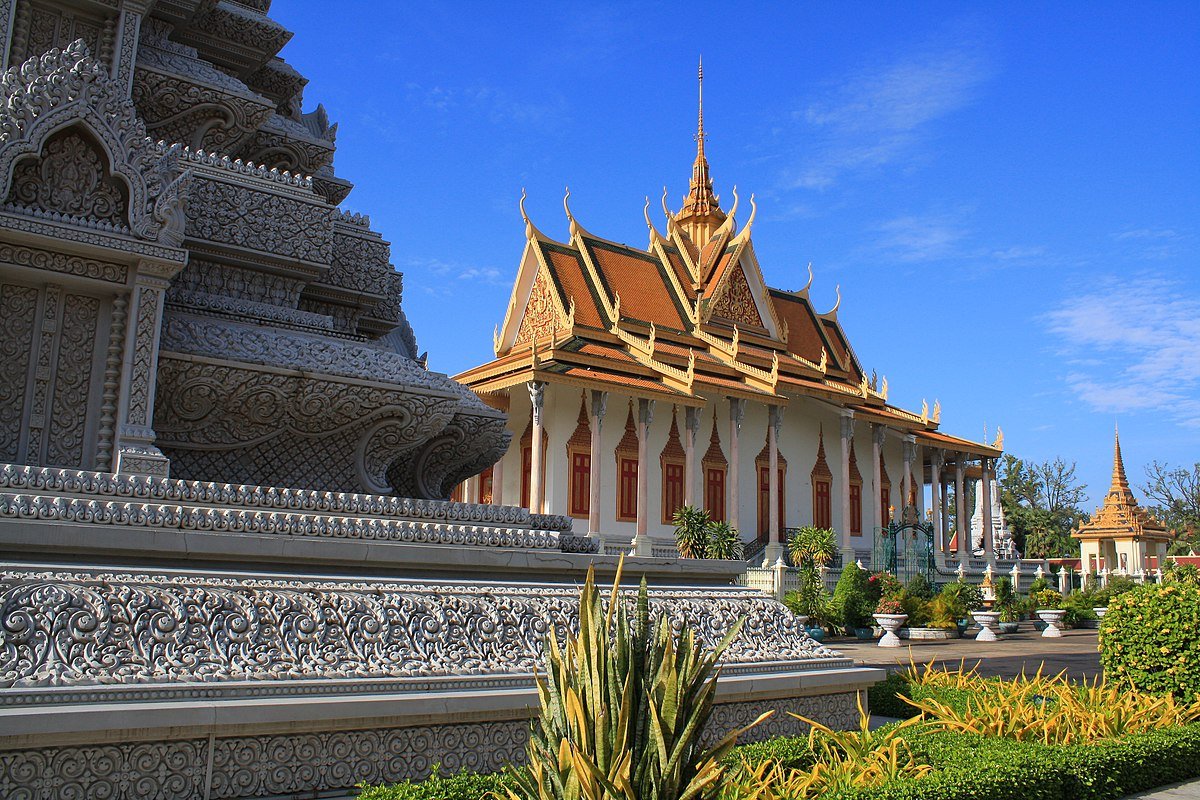
Wat Kampot, the main pagoda complex dating to the 19th century, sits on the Kampong Bay River banks surrounded by lush greenery offering serene, peaceful atmosphere. The main pagoda building features intricate carvings and colorful decorations showcasing traditional Khmer architecture, housing beautiful Buddha statues and important Buddhist figures. The well-maintained gardens provide tranquil settings for contemplation, while smaller shrines and meditation areas dot the grounds.
Chum Kriel Pagoda, built during the 12th century, showcases stunning architecture and intricate carvings displaying traditional Khmer design elements, serving as both a place of worship for local monks and Buddhist devotees and an attraction for visitors. The temple's age adds layers of historical significance to spiritual meaning.
Located eight kilometers from Kampot town, Wat Puthi dates back to the 12th century and features several ornate structures including a large pagoda with intricate carvings and Buddha statues. What sets this temple apart are opportunities to witness traditional Cambodian dance performances or participate in meditation sessions led by resident monks. The temple also offers stunning views of the Kampot River, making it popular among photography enthusiasts.
Visiting these temples provides more than architectural appreciation. Visitors can witness or participate in Buddhist ceremonies and rituals, exploring temple grounds while admiring statues and murals, creating chances for immersion in local culture and spirituality while enjoying the area's natural beauty.
Water Blessings and Chanting: Understanding Common Rituals
Beyond major festivals, temples host regular ceremonies that visitors might encounter during their Kampot stay. Understanding these rituals enhances appreciation for their significance and proper participation methods.
Water blessings represent one of the most common and cherished rituals in Cambodian Buddhism, with water serving as the great purifier symbolizing life, clarity, and cleansing. Monks bless water through chanting, then sprinkle it on devotees or provide blessed water for drinking. These ceremonies happen during major life events, house blessings, or simply when families seek spiritual protection.
The resonant, rhythmic recitation of Buddhist scriptures serves as more than prayer or musical performance but represents powerful spiritual practice and a form of meditation, method of preserving sacred texts, and direct conduit for generating blessings and protection. The sound of chanting creates the very atmosphere of Buddhist spaces, believed to purify minds, calm hearts, and create shields of benevolent energy around all who hear it.
Ordination Ceremonies: Sacred Rites of Passage
Known in Pali as pabbajjā or "Going Forth," ordination ceremonies represent profound rites of passage reenacting Prince Siddhartha's own Great Renunciation, considered the single greatest act of merit a son can perform for his parents, particularly his mother. While most visitors won't attend full ordination ceremonies, temporary ordinations happen frequently enough that travelers might witness preparations or celebrations.
These ceremonies transform boys into novice monks, involving elaborate rituals, family gatherings, and community celebrations. The solemn beauty of seeing a young person commit to monastic life, even temporarily, provides profound insight into Buddhism's continued vitality in Cambodian culture.
Kathina: The Festival of Generosity
The Kathina ceremony represents the joyous culmination of Buddhist Lent's solemnity, a powerful expression of gratitude from the community to monks for their dedication, considered one of the most powerful merit-making opportunities lay Buddhists can undertake in the entire year. This festival of generosity, color, and communal celebration occurs in October or November after the three-month rainy season retreat when monks intensify their meditation and study.
During Kathina, communities gather to present new robes and other necessities to monks, with elaborate processions, music, and celebrations marking the occasion. The festival beautifully demonstrates the symbiotic relationship between monastic and lay communities that forms Buddhism's foundation in Cambodia.
Practical Guidance for Ceremony Participation
Witnessing or participating in Buddhist ceremonies requires neither deep knowledge nor special preparation, just respectful curiosity and willingness to observe established customs. Most temples welcome quiet observers at public ceremonies, though asking permission before attending shows good form.
Arrive early enough to find appropriate places to sit or stand without disrupting proceedings. Follow local cues for when to sit, stand, or bow. If offerings are involved and you wish to participate, watch how others present items before attempting. Bringing your own offerings isn't expected or necessary unless specifically invited.
During chanting or prayers, maintaining silence shows respect even if you don't understand the Pali texts being recited. The meditative quality of these moments transcends language, creating powerful experiences even for those unfamiliar with Buddhist practices.
Beyond Tourism: Connecting with Living Traditions
The temples of Kampot Province offer something increasingly rare in our hyperconnected world: spaces where ancient wisdom remains vibrantly alive, where daily actions connect directly to traditions stretching back millennia, where community bonds strengthen through shared spiritual practice. Understanding Buddhist ceremonies and temple etiquette transforms these visits from tourist checkboxes into genuine encounters with one of humanity's great spiritual traditions.
These experiences become most meaningful when approached with open hearts and respectful attitudes. The monks who bless travelers, the families making morning offerings, the grandmothers sweeping temple courtyards, they're not performing for audiences but living their faith. When visitors honor that sincerity with appropriate behavior and genuine interest, magic happens—brief moments of connection that transcend cultural boundaries and create memories lasting far longer than any photograph.
Your Kampot Cultural Journey Awaits
After days exploring Kampot's sacred temples, witnessing dawn alms ceremonies, and immersing yourself in Buddhist traditions, you'll need a peaceful retreat that honors the contemplative spirit you've discovered. Queen Island offers precisely that sanctuary, a private riverside haven where tranquility isn't just promised but delivered through every carefully considered detail.
Our location provides easy access to Kampot's temples while offering the restorative peace that makes processing profound cultural experiences possible. After walking barefoot through ancient pagodas, after sitting quietly as monks chant age-old prayers, after experiencing the generous spirit of Cambodian Buddhism, return to your own private sanctuary where the Stung Sangke River's gentle flow continues the meditation you've begun.
Ready to complement your spiritual journey through Kampot Province with accommodations that respect the tranquility you're seeking? Book your stay at Queen Island and discover how authentic cultural exploration and genuine rest can flow together as naturally as the river that surrounds us.
