
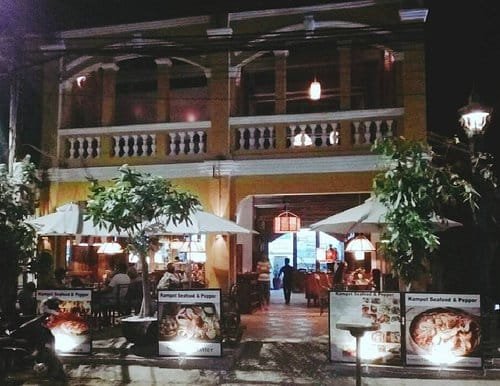
Discover the vibrant world of organic restaurants and farm-to-table dining in Kampot, Cambodia—where fresh, locally-sourced ingredients meet innovative Khmer cuisine, and every meal tells a story of sustainability and community.
The Farm-to-Table Movement Takes Root in Kampot
Kampot's food scene has undergone a remarkable transformation, evolving from a quiet colonial town into a culinary destination where sustainable dining isn't just a trend—it's a philosophy deeply woven into the region's identity. The farm-to-table concept here isn't merely about serving fresh ingredients; it's about honoring generations of agricultural expertise, supporting local farmers, and creating dining experiences that celebrate Cambodia's rich culinary heritage while protecting the environment.
This movement has gained exceptional momentum as restaurants and cafes throughout the province recognize that Kampot's greatest resource isn't its pepper or its riverside views, but the incredible biodiversity and agricultural knowledge of its people. From intimate garden eateries to specialized pepper farms offering culinary experiences, visitors and local houseguests alike can engage directly with the source of their food.
Kampot's Organic Heritage: From Ancient Traditions to Modern Practice
Understanding Kampot's organic dining scene requires appreciating its agricultural history. Kampot pepper cultivation dates back more than a thousand years to the Khmer Empire, with documentation from the 13th century recording this precious spice's significance. During the French colonial era, production reached staggering heights—8,000 tons annually at its peak in the 1930s and 1940s. However, the Khmer Rouge period of the 1970s nearly obliterated this legacy, forcing farmers to abandon plantations and devote all labor to rice production.
The renaissance of Kampot's agricultural traditions began in the late 1990s and early 2000s, when farming families returned to their ancestral lands with ancestral knowledge intact. Today, this commitment to traditional methods forms the backbone of the region's organic restaurant movement. Farmers and chefs collaborate to resurrect not just pepper production but an entire ecosystem of heritage crops and forgotten herbs that once graced Khmer royal tables.
Meeting the Artisans Behind Your Plate
One of the most distinctive aspects of farm-to-table dining in Kampot is the direct connection between diners and growers. Fair Farms, established by Norbert Binot in 2015, exemplifies this philosophy. The organization produces and sources 100% organic Kampot pepper while ensuring fair working conditions for local smallholder farmers. Their mission goes beyond cultivation—they employ agroecology and soil conservation techniques including intercropping with native species like peanut grass to rejuvenate soil naturally. This regenerative approach enhances biodiversity, improves water retention, and builds carbon sequestration, creating a more resilient agricultural system for future generations.
La Plantation, another pioneering venture, showcases how sustainable agriculture can become a thriving tourist destination and social enterprise. Founded by a French couple who fell in love with Kampot's potential, the farm now operates an award-winning restaurant on-site where dishes like Lok Lak with Kampot Pepper and Cardamom Beef Soup are crafted from ingredients harvested just meters away. Their Khmer cooking classes offer visitors and houseguests the chance to master traditional techniques while learning directly about each spice's origin and cultivation story. The farm also preserves traditional Khmer wooden architecture by reassembling historic structures on its property—a tangible commitment to cultural and environmental preservation.
Sindora Garden of Pepper takes a regenerative agriculture approach that goes even further. Operating with 100% natural, certified organic practices, Sindora has pioneered innovative irrigation systems and organic fertilization studies to boost soil fertility without chemical inputs. Their on-site restaurant serves farm-to-table lunch experiences where diners taste different pepper varieties and herb-infused dishes prepared using ingredients cultivated on the surrounding land.
The Restaurants Defining Sustainable Dining
Simple Things stands as a beacon for plant-based dining enthusiasts. Located on Old Market Street, this establishment combines a vegetarian restaurant on the ground floor with a yoga studio upstairs, creating a holistic wellness destination. The menu features nourishing dishes made from organic ingredients, many sourced from their own garden. The restaurant's commitment to health, sustainability, and community makes it far more than a place to eat—it's a gathering space where wellness practices extend from the table to physical and spiritual practice.
Epic Arts Cafe, a charity-run establishment, demonstrates how sustainable dining can serve social missions. Beyond providing organic, sustainably produced dishes, the cafe employs deaf staff members and creates meaningful employment opportunities for individuals with disabilities. The vibrant, welcoming atmosphere and carefully crafted vegan and vegetarian options have made it a beloved fixture in Kampot's dining scene. Visitors consistently praise the fresh, beautifully presented meals and the ethical integrity underlying every service.
Ciao, nestled in Krong Kampot, represents a different approach to farm-to-table dining—one that embraces both innovation and tradition. The restaurant showcases locally sourced vegetables and fresh seafood from nearby waters, preparing Khmer-style grilled fish and homemade pasta with equal finesse. Their commitment to eco-friendly practices and supporting local farmers creates a dining experience where sustainability enhances rather than compromises culinary excellence.
Exploring Kampot's Living Farmers' Markets
The beating heart of farm-to-table dining pulses through Kampot's bustling Samaki Central Market, a sensory immersion into local food culture. Here, vendors display vibrant produce, fragrant herbs, freshly caught seafood, and aromatic spices that form the foundation of authentic Khmer cuisine. Shopping at this market offers visitors and houseguests an authentic window into daily Cambodian life—one where quality ingredients, personal relationships between vendors and regular customers, and generations of agricultural knowledge converge in a lively, colorful space.
Traditional Cambodian medicine and herbs occupy their own fascinating section, with vendors offering natural remedies believed to possess healing properties. This integration of culinary and medicinal plants reflects Cambodia's holistic approach to food, where the line between nourishment and wellness remains beautifully blurred.
Visiting early morning provides the most vibrant experience, when vendors arrange the freshest produce and the market pulses with energy. Many restaurants in Kampot source their ingredients from this same market, creating a transparent supply chain where diners can literally walk from vendor to plate within hours.
Kampot's Organic Certification and Quality Standards
The region's commitment to genuine sustainability is reinforced through rigorous certification systems. Kampot pepper achieved Protected Geographical Indication (PGI) status in 2010 from Cambodia's Ministry of Trade, and earned Protected Designation of Origin (PDO) recognition from the European Union in 2016. Only members of the Kampot Pepper Producers Association adhering to strict specifications may use the "Kampot Pepper" appellation—a safeguard ensuring authenticity similar to how Champagne protects its regional name.
The independent certification body Ecocert supervises member farms, verifying compliance with EU organic standards. These aren't marketing claims—they represent third-party verification that farms operate without synthetic pesticides or chemical fertilizers, maintaining soil health and biodiversity through traditional and innovative organic methods.
This certification infrastructure extends beyond pepper. Restaurants and farms throughout Kampot increasingly pursue organic certification, with many adopting practices like crop rotation, natural fertilization, and conservation agriculture to address soil degradation and build climate resilience.
Khmer Culinary Traditions Meet Organic Innovation
The most compelling aspect of Kampot's farm-to-table movement is how it resurrects nearly-lost Khmer culinary traditions. The Khmer Rouge's devastation didn't just destroy lives—it interrupted culinary knowledge transmission. Chefs today, like those working at pioneering establishments, dedicate themselves to reconstructing dishes that may have graced royal tables centuries ago, ingredients and all.
This resurrection requires intimate knowledge of heritage crops and forgotten herbs. Restaurants work directly with farmers cultivating traditional varieties—often sourcing from family gardens where elder family members maintain ancestral seed lines and cultivation knowledge. Lemongrass, moringa, white turmeric, and various pepper varieties appear in creative preparations that honor their historical roles while embracing contemporary culinary technique.
The result is cuisine that tastes simultaneously ancient and innovative—dishes where flavor complexity emerges not from exotic imports but from soil diversity, plant biodiversity, and careful preparation of ingredients grown meters away.
The Experience of Dining with Purpose
Houseguests choosing farm-to-table restaurants in Kampot participate in something far more meaningful than typical dining. Every meal represents support for:
- Local farmers transitioning to sustainable practices and rebuilding agricultural livelihoods after decades of economic marginalization
- Environmental restoration through reduced chemical inputs, improved soil health, and biodiversity enhancement
- Cultural preservation as chefs and growers work to maintain Khmer culinary traditions and agricultural knowledge
- Fair labor practices ensuring farmworkers receive adequate compensation, health insurance, and dignified working conditions
- Climate resilience as sustainable agriculture builds capacity to withstand erratic weather patterns and environmental challenges
This isn't marketing language—it's the tangible reality embedded in Kampot's farm-to-table movement. When you choose Epic Arts Cafe, Simple Things, or the restaurants at La Plantation and Sindora, your money directly supports these outcomes.
Cooking Classes and Immersive Experiences
Beyond dining, Kampot offers numerous opportunities to engage directly with sustainable food systems. Farm-to-table restaurants frequently offer Khmer cooking classes where participants learn to prepare traditional dishes using organic ingredients from farm gardens. These experiences typically include:
- Market tours where instructors explain the history, nutritional properties, and culinary applications of seasonal produce
- Hands-on preparation of traditional pastes, curries, and dishes, often beginning with making coconut milk from fresh fruit
- Farm walks through herb and vegetable gardens, learning about companion planting, natural pest management, and soil building
- Tasting sessions featuring different pepper varieties and understanding how terroir influences flavor
These classes transform dining from passive consumption into active learning, creating lasting memories and practical skills that extend the farm-to-table experience long after departure from Kampot.
Sustainability Practices Shaping Kampot's Food Future
The organic restaurants and farms throughout Kampot employ sophisticated sustainability approaches that extend far beyond avoiding chemical pesticides. Conservation agriculture practices—including reduced tillage and crop residue retention—enhance soil structure and water retention while reducing erosion. Crop rotation programs, particularly rotating annual crops with nitrogen-fixing legumes, naturally rebuild soil fertility. These time-tested techniques, refined over generations, prove remarkably effective in building climate resilience.
Composting emerges as another transformative practice. Rural communities throughout Cambodia, including those supplying Kampot restaurants, increasingly adopt composting systems that reduce chemical fertilizer dependence while managing agricultural waste sustainably. These practices simultaneously protect groundwater, build soil structure, and create cost-effective, nutrient-rich inputs for crop production.
Water management receives equal attention. The proximity of Kampot's farms to rivers provides natural irrigation, reducing the need for unsustainable pumping and groundwater extraction. Sustainable farms optimize this natural advantage through careful water stewardship and soil moisture retention practices.
The Intersection of Hospitality and Sustainability
For visitors and houseguests seeking authentic, meaningful experiences, Kampot's farm-to-table dining scene offers profound advantages. Many boutique guesthouses and accommodations partner directly with organic farms and sustainable restaurants, curating dining experiences as part of their hospitality offering. Some properties feature gardens where guests can harvest ingredients for their meals, creating tangible connection between soil, plant, table, and nourishment.
This integration of accommodation with sustainable food systems represents hospitality's evolution—a recognition that guests increasingly seek experiences reflecting their values. The willingness to invest in organic restaurants and farm partnerships signals that Kampot's hospitality sector understands the future belongs to those who embrace sustainability not as niche offering but as foundational philosophy.
Planning Your Farm-to-Table Kampot Experience
Visitors seeking immersive farm-to-table experiences should plan accordingly. Morning visits to Samaki Market provide essential context for understanding ingredient diversity and connecting with farmers. Afternoon farm tours at La Plantation, Sindora, or BoTree Farm offer direct engagement with growing practices and pepper production. Evening dining at Simple Things, Epic Arts Cafe, or restaurant partners allows for reflection on the day's agricultural education while savoring dishes crafted from that day's harvest.
Cooking classes warrant advance booking—most require 24 hours notice. Plan for multiple restaurant visits to sample different culinary philosophies. Consider timing visits during the dry season (November through April) when market offerings shift with seasonal transitions and growing practices change.
The most rewarding experiences combine multiple touchpoints—market engagement, farm touring, cooking participation, and dining—rather than treating any single element as isolated. This multifaceted approach creates comprehensive understanding of how Kampot's food systems bridge tradition and innovation, sustainability and flavor, agriculture and cultural preservation.
Your Invitation to Sustainable Dining
Kampot's farm-to-table movement represents more than restaurant trend. It embodies a community-wide commitment to resurrecting agricultural traditions, supporting local livelihoods, protecting environmental integrity, and preserving culinary heritage. Every meal at these establishments participates in this larger transformation—one where food becomes the medium through which culture, sustainability, and community connect.
Whether you arrive as a tourist or settle in as a houseguest, Kampot's organic restaurants and sustainable farms extend an invitation to dining that nourishes far beyond the body. Each dish carries the story of generations of farming knowledge, the commitment of entrepreneurs and chefs dedicated to doing business sustainably, and the resilience of a community rebuilding itself through the simple, profound act of cultivating and sharing good food.
Discover the farms, taste the heritage, and become part of Kampot's sustainable food future by dining where every ingredient matters and every meal supports something greater than itself.
