
Kampot, nestled along the southern coast of Cambodia, offers far more than postcard-perfect sunsets and colonial architecture. This charming riverside town has emerged as one of Southeast Asia's most authentic culinary destinations, where centuries-old Khmer recipes continue to thrive in humble street stalls and riverside restaurants. If you're planning a visit to this region, the food scene should rank equally high with your must-see attractions like Bokor National Park and the iconic French Bridge.
The Steamed Fish Curry That Changed Cambodia's Culinary Story
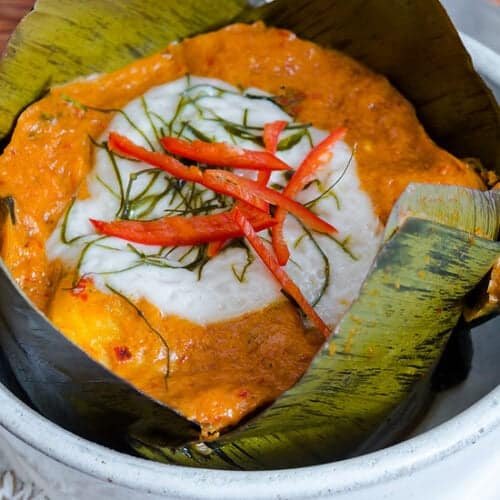
Fish Amok stands as Cambodia's national treasure on a plate. This isn't just another curry; it's a living connection to the Khmer Empire's golden age, believed to have graced royal tables as far back as the 9th century. What makes fish amok so utterly captivating is its unique texture—somewhere between a delicate custard and a traditional curry, with a mousse-like consistency that practically melts on your tongue.
The magic happens in the preparation. Fresh fish fillets, typically snakehead or catfish caught from local rivers, get marinated in kroeung, the heart and soul of Khmer cooking. This aromatic spice paste combines fragrant lemongrass, pungent galangal, earthy turmeric, and aromatic kaffir lime leaves. Mixed with rich coconut milk and eggs, the entire mixture gets wrapped in banana leaves and gently steamed. The banana leaves don't just serve as containers—they infuse the dish with a subtle, earthy essence that you simply cannot replicate with modern cookware.
The result is a sophisticated dish that balances multiple flavor profiles: creamy coconut richness, the citrusy brightness of lime, gentle spice from galangal and turmeric, and that indefinable umami depth that makes every spoonful memorable. In Kampot, restaurant chefs often elevate their versions by using hyper-local fish from the Preaek Tuek Chhu River that winds through town. The freshness makes an undeniable difference.
Rice Noodles Soaked in Fragrant Spiced Broth
Nom Banh Chok deserves recognition as Cambodia's true breakfast champion, even though fish amok takes much of the international spotlight. Walking through Kampot's White Tent Food Market in the early morning, you'll witness the passionate following this simple-yet-complex dish commands. Cambodians absolutely adore nom banh chok, and for good reason—it encapsulates everything special about Khmer culinary philosophy.
The dish centers on fresh, lightly-fermented rice noodles made daily by artisanal noodlemakers, the same way they've been prepared for generations. These delicate noodles arrive bathed in a vibrant fish curry sauce made from catfish or mudfish, infused with the omnipresent kroeung spice paste, coconut milk, and tamarind's subtle sourness. The supporting cast includes crisp fresh vegetables—cucumber slices, banana blossom, water lily stems—alongside aromatic herbs like mint and basil. Many versions incorporate a bit of prahok, that famously pungent fermented fish paste that's fundamental to Khmer identity.
What makes nom banh chok so compelling for visitors is its accessibility. Unlike fish amok's royal sophistication, nom banh chok remains genuinely street-food humble, yet it delivers profound satisfaction. The balance between rich coconut curry and refreshing raw vegetables creates an addictive combination that explains why Cambodians eat this for breakfast, lunch, or afternoon snacks.
Crab Perfumed with World-Renowned Green Peppercorns
Kampot Pepper Crab, known locally as kdam chaa, represents the intersection of regional geography and culinary genius. The nearby coastal town of Kep, just 30 minutes from Kampot, operates one of Southeast Asia's most vibrant crab markets where vendors sell their catch fresh daily. But the real star here isn't just the seafood—it's the pepper.
Kampot pepper has achieved legendary status among global food connoisseurs, earning Protected Geographical Indication status that guarantees strict quality standards. Growing at the base of the Elephant Mountains, where unique terroir creates distinctive flavor profiles, Kampot pepper tastes fundamentally different from pepper grown anywhere else on Earth. Green Kampot peppercorns, immature and brined, deliver a citrusy, almost floral complexity that transforms a simple stir-fry into something unforgettable.
The dish itself showcases beautiful simplicity. Fresh crab pieces get stir-fried with garlic, shallots, spring onions, palm sugar, fish sauce, and those magnificent green peppercorns. The sweetness of crab meat interplays against the pepper's citrus heat and the umami depth of fish sauce. Many restaurants plate this as a main course with steamed jasmine rice, though the most adventurous travelers enjoy it beachside in Kep with their feet in the sand and the South China Sea stretching toward the horizon.
Sour Soup That Balances Four Flavor Dimensions
Samlor Machu, often translated as "sour soup," represents Cambodia's mastery of flavor equilibrium. Unlike the overtly spicy Thai soups or the rich Indian curry broths, samlor machu achieves something distinctly Khmer: simultaneous sweetness, sourness, saltiness, and gentle spice, all dancing in perfect harmony.
The foundation begins with the essential kroeung spice paste—lemongrass, galangal, turmeric, and kaffir lime creating aromatic depth. Tamarind delivers the signature sourness, but it's a fruity, mellow tang rather than the harsh vinegary punch of ordinary sour broths. The protein varies widely; fish, beef, pork, chicken, or even seafood all find their place in different regional iterations. Local vegetables like morning glory, water spinach, and eggplant contribute texture and nutrition.
What makes samlor machu particularly special in Kampot is how it reflects the town's agricultural surroundings. Many restaurants source hyper-local ingredients, creating versions that taste dramatically different from their Phnom Penh counterparts. The soup embodies Khmer philosophy: simple ingredients, careful preparation, and profound flavor complexity.
Beef That's Quite Literally "Shaken" to Perfection
Beef Lok Lak, whose name derives from Vietnamese bò lúc lắc (meaning "shaking beef"), arrived in Cambodia during the French colonial period but the Cambodians made it entirely their own. This stir-fried beef dish has become perhaps more beloved here than in its country of origin.
Tender beef sirloin or ribeye gets cut into cubes and marinated in a balanced mixture of soy sauce, oyster sauce, garlic, fish sauce, and palm sugar. The marinating happens overnight, allowing the meat to absorb those layers of salty-sweet umami richness. The actual cooking involves rapid stir-frying in a blazing-hot wok, using energetic stirring motions that explain the "shaking" terminology.
But lok lak's true brilliance emerges in the plating and serving. Cambodian restaurants present it on a bed of crisp lettuce alongside sliced tomatoes, cucumber rings, and often a sunny-side-up fried egg. The magic ingredient? A lime and black pepper dipping sauce made with Kampot pepper, which brings brightness and distinctive peppery heat to each bite. This combination of tender meat, fresh vegetables, and that distinctive pepper sauce makes lok lak an unforgettable introduction to Kampot's culinary character.
Grilled Pork That Starts Your Day Right
Bai Sach Chrouk, Cambodia's beloved breakfast dish meaning "rice with pork," showcases how Khmer cuisine transforms simple ingredients into something genuinely crave-worthy. Around Kampot, particularly in the early morning hours before the heat becomes oppressive, vendors set up small stalls serving this dish with the focused dedication of Japanese ramen masters.
Thin-cut pork loin gets marinated in a mixture of garlic, soy sauce, palm sugar, fish sauce, and often coconut milk, overnight or for several hours. The coconut milk contributes essential tenderization while the palm sugar creates beautiful caramelization when the meat hits the charcoal grill. Properly executed bai sach chrouk arrives with charred edges that deliver subtle smokiness alongside the meat's natural sweetness.
The presentation includes steamed jasmine rice topped with the grilled pork, alongside pickled vegetables (cucumber, carrot, daikon radish) and often a clear light broth for sipping. Some adventurous restaurants drizzle the meat with green onion oil for additional aromatic complexity. Eating bai sach chrouk with your hands, tearing meat off the skewers and wrapping it with fresh herbs and rice, epitomizes Kampot's casual yet sophisticated food culture.
The Cornerstone Ingredient: Prahok's Ancient Legacy
Understanding Kampot's food culture requires appreciating prahok, the fermented fish paste that Cambodians joke is their country's cheese. Referenced as far back as the Angkorian period (9th-15th centuries), prahok originated as a practical preservation method when refrigeration didn't exist. Small freshwater fish got salted and crushed, then left to ferment in clay jars for weeks or months, sometimes years.
The resulting paste possesses an intensely pungent aroma—some describe it as challenging on first encounter—alongside deep umami flavors that add incredible savory complexity to soups, curries, and dipping sauces. While Western palates occasionally find prahok's assertive character intimidating, it's absolutely essential to authentic Khmer cooking. Every traditional dish you'll encounter in Kampot incorporates prahok in some form, whether directly mixed in or as a seasoning component.
Kroeung: The Sacred Spice Paste Foundation
All these magnificent dishes rest upon a foundation of kroeung, the complex herb and spice paste that separates authentic Khmer cooking from pale imitations. This isn't a store-bought curry powder; genuine kroeung gets pounded fresh daily using a heavy mortar and pestle, a labor-intensive process that extracts essential oils from delicate herbs and aromatics.
The yellow kroeung, most commonly used, combines lemongrass, kaffir lime zest and leaves, galangal, turmeric, garlic, shallots, and various other rhizomes. When you taste fish amok or beef lok lak or any of Kampot's signature dishes, you're actually tasting kroeung's complex aromatic profile more than anything else. Understanding this one ingredient unlocks appreciation for why Kampot's food tastes so dramatically different from other Southeast Asian destinations.
Where to Experience Khmer Culinary Mastery in Kampot
Beyond street stalls and markets, Kampot's riverside restaurants offer elegant settings for exploring traditional cuisine. Many establishments source fish from the local river, pepper from nearby plantations, and vegetables from surrounding farms. Riverside dining while watching the sun sink behind the Elephant Mountains while eating fish amok represents one of Southeast Asia's most underrated travel moments.
The town's culinary renaissance has attracted chefs committed to preserving traditional recipes while presenting them in contemporary contexts. Some restaurants offer cooking classes where visitors learn to prepare kroeung from scratch, an experience that fundamentally changes how you understand Southeast Asian cooking. The hands-on process of grinding fresh galangal, pounding lemongrass, and understanding why the technique matters provides knowledge impossible to gain from simply eating.
Planning Your Kampot Culinary Adventure
Visit Kampot during the cool season (November through February) when the weather cooperates and local ingredients reach peak availability. The White Tent Food Market operates early morning and evening, offering authentic street food experiences where you'll find nom banh chok, grilled skewered meat, and fresh seafood prepared before your eyes.
Consider staying for at least three days to properly experience the regional food culture. Day trips to nearby Kep allow sampling the freshest crab and exploring the fishing communities that supply Kampot's restaurants. Pepper plantation tours, particularly at La Plantation or BoTree Farm, provide context for understanding why Kampot pepper commands such premium pricing globally.
Ready to embark on a culinary journey through Cambodia's most authentic flavors? Kampot awaits with its legendary fish amok, aromatic spice pastes, and riverside dining that makes your taste buds dance. Whether you're sipping sweet and sour samlor machu at dawn, dipping tender beef lok lak in citrusy pepper sauce at lunch, or watching fireflies dance above the river while enjoying steamed fish amok at sunset, Kampot promises unforgettable gastronomic moments. Book your journey to Kampot Resort today and discover why traditional Khmer dishes have captivated emperors and intrepid travelers for over a thousand years.
